Choose Material by Job First
The right 3D printing material depends on what the part must do after printing. A display model, car bracket, phone stand, gasket, miniature, and outdoor sign all need different material behavior.
A: Match the model, material, settings, and finish plan to the purpose of the print.
A: Bed leveling, surface cleanliness, nozzle height, temperature, and material condition are the usual suspects.
A: No. Slower speeds can improve detail, but heat buildup and profile balance still matter.
A: Use the right material, more walls, smart orientation, enough infill, and realistic load testing.
A: Temperature, retraction, travel moves, moisture, and material type all contribute.
A: Diagnose poor first layers, weak parts, stringing, warping, and rough surfaces before buying parts.
A: Very important; it shows toolpaths, supports, layer changes, and possible weak spots before printing.
A: First layers, simple calibration prints, support cleanup, and basic material profiles.
A: Clean orientation, tuned settings, good material handling, and careful support removal, sanding, painting, fitting, and practical testing.
A: It is most useful for makers who want cleaner prints and fewer wasted attempts.
Choose Material by Job First
The right 3D printing material depends on what the part must do after printing. A display model, car bracket, phone stand, gasket, miniature, and outdoor sign all need different material behavior.
Start with five questions: Will it carry load? Will it get hot? Will it be outdoors? Does it need to flex? Does it need fine detail or a smooth surface?
For Easy Visual Prints
PLA is the best default for easy visual prints, classroom projects, models, and decorations. It prints with low fuss and gives clean results on most desktop printers.
If the object will sit in a warm car, hold weight, or live outdoors, move beyond PLA before the part fails.
For Tough Practical Parts
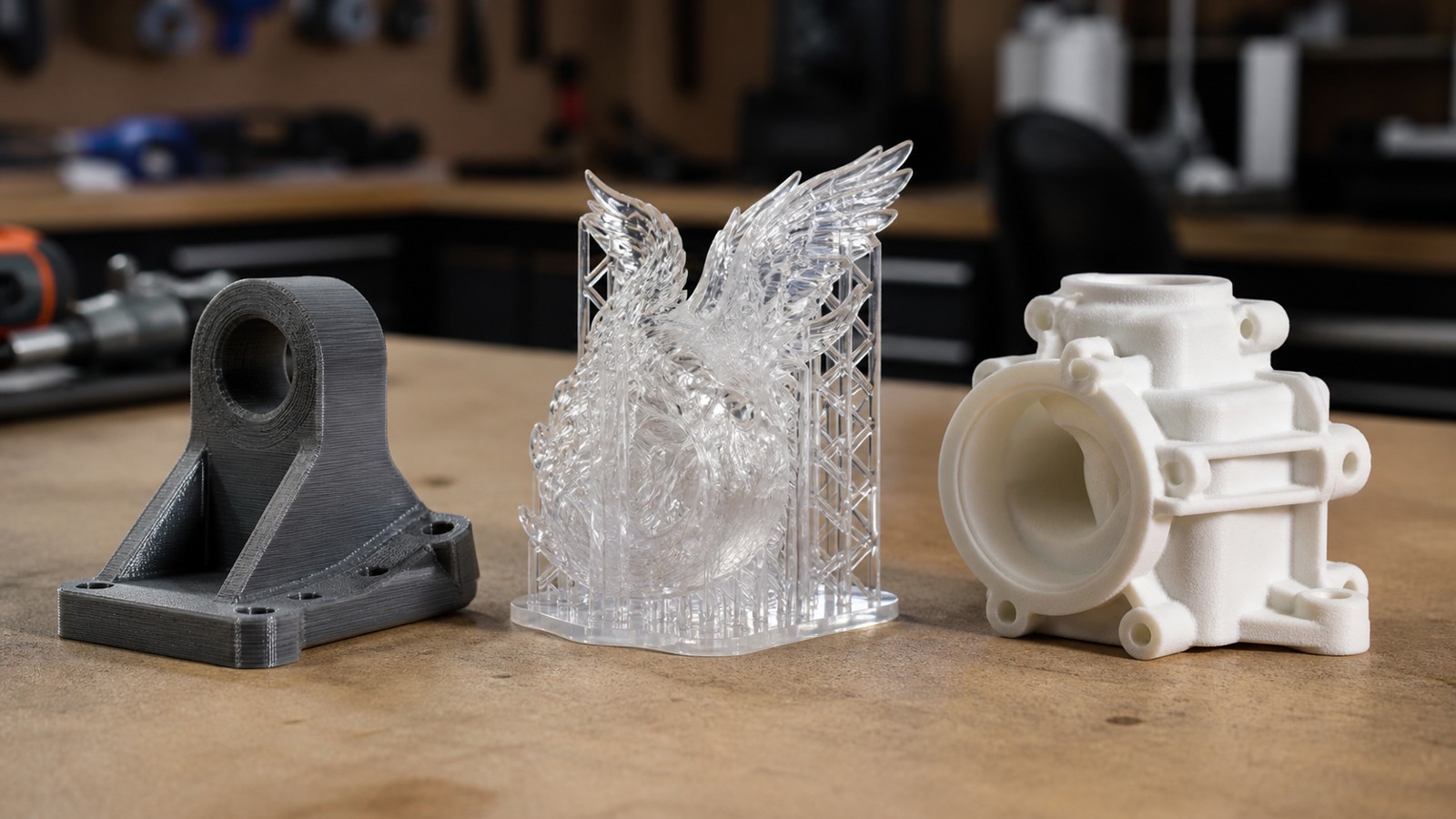
PETG is a good next step for brackets, containers, organizers, tool holders, and parts that need more toughness than PLA. It handles heat better and is less brittle, though it can string and needs good profiles.
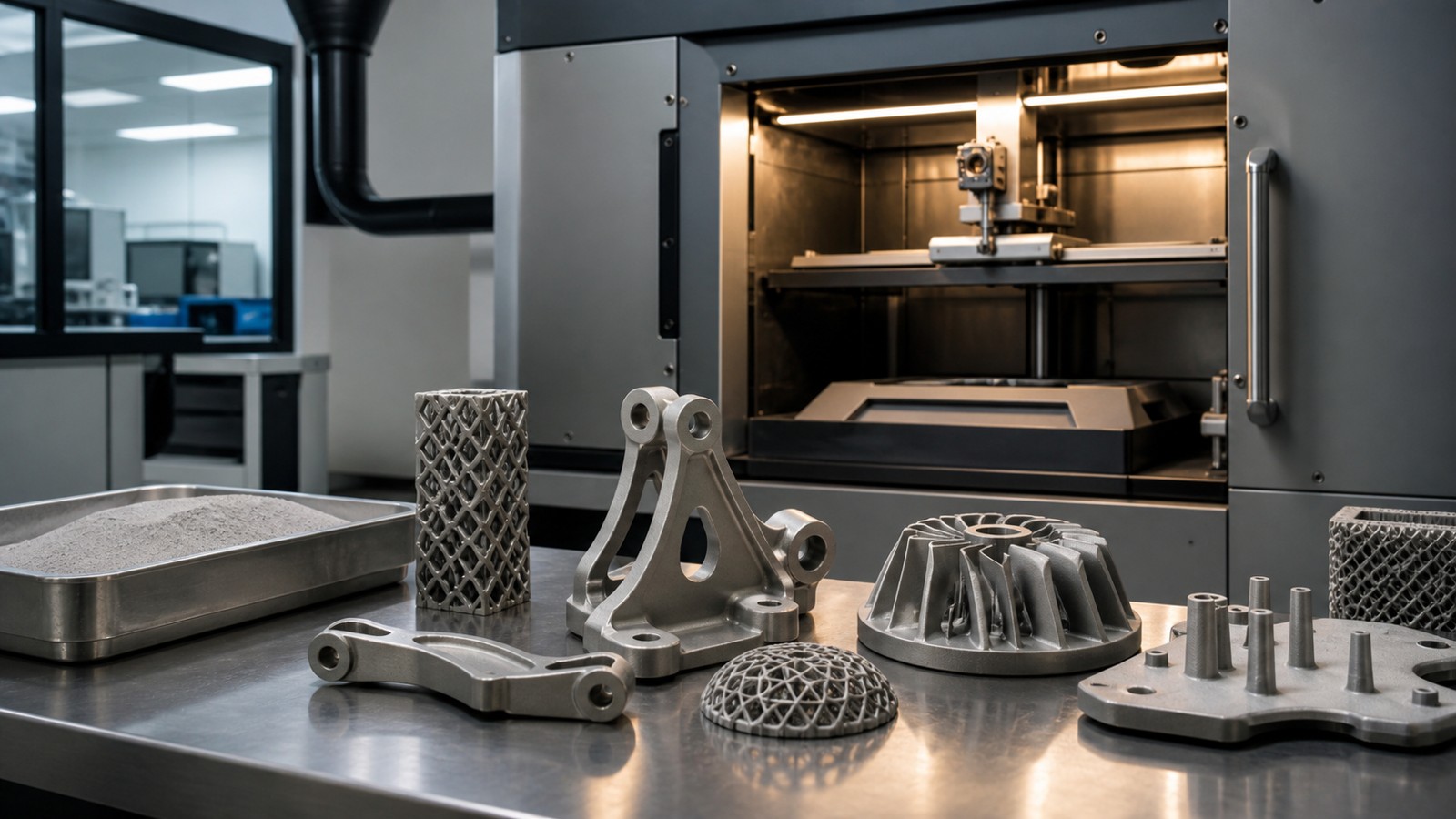
Nylon is stronger for many demanding parts, but it needs drying and better printer control. PA12 or PA11 through SLS can be excellent when complex nylon geometry is needed.
For Heat and Weather
ASA is a strong choice for outdoor and UV-exposed parts when the printer can handle enclosure needs and fumes. ABS can work for heat-resistant parts but also needs ventilation and warping control.
For high-temperature engineering use, check the material data sheet and printer capability before trusting a part in service.
For Flexible Parts
TPU is the common choice for flexible prints such as feet, seals, bumpers, grips, and protective sleeves. Softer materials are harder to push through the extruder, so print speed and extruder design matter.
Design flexible parts with wall thickness and infill in mind. Flex comes from both material and geometry.
For Fine Detail
Resin is usually the best material family for small high-detail models, miniatures, dental-style pieces, and jewelry patterns. It captures surface detail better than typical FDM.
Choose resin only when the safety and cleanup workflow makes sense. Washing, curing, gloves, and ventilation are part of the material choice.
A Practical Material Shortcut
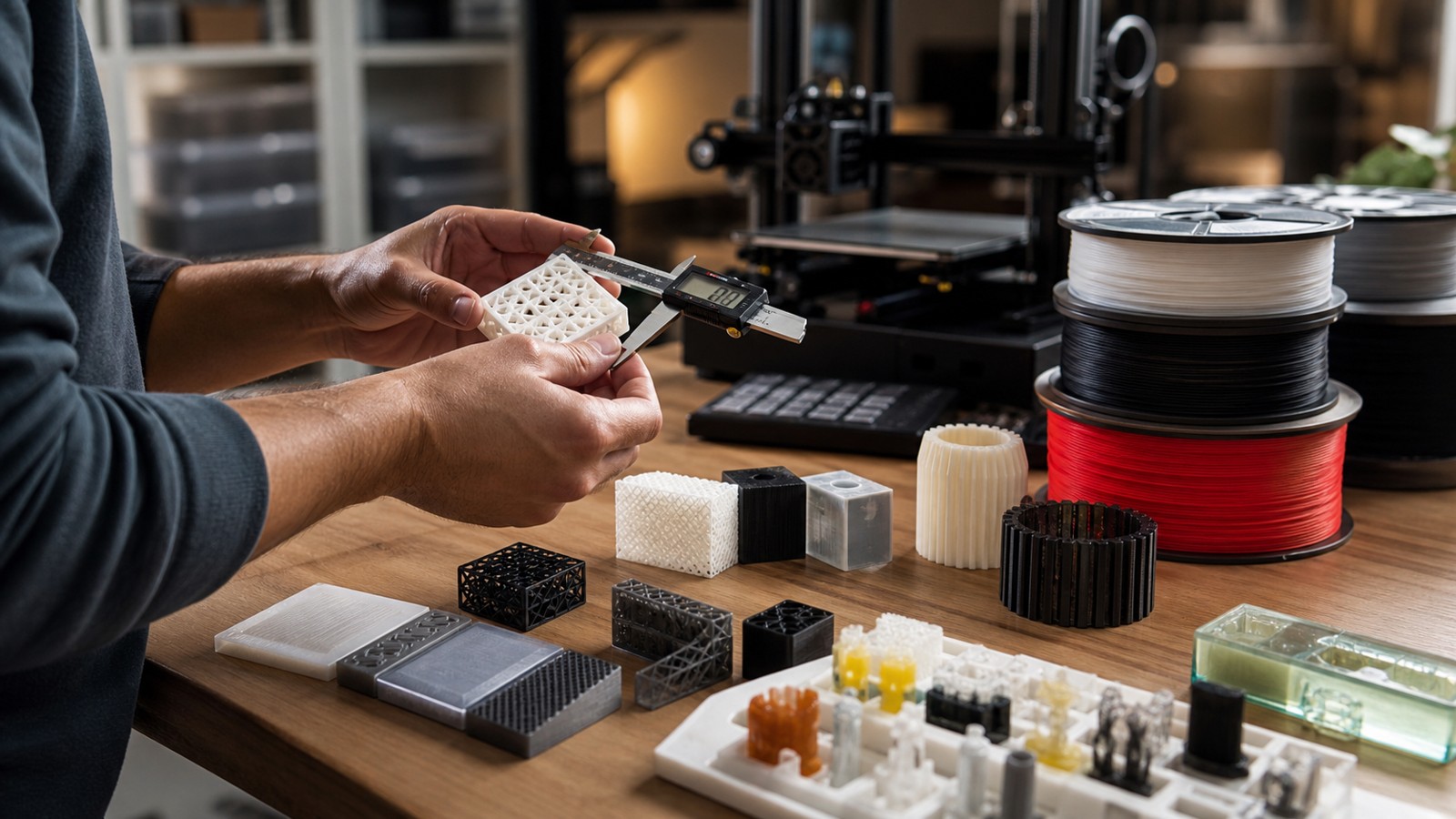
Use PLA for easy models, PETG for tougher everyday parts, ASA for outdoor use, TPU for flexible parts, resin for fine detail, and SLS nylon for complex functional parts. Then refine from there using material data and test prints.
The final choice is always proven by the part. Print a small test section when fit, heat, flexibility, or strength matters.
FAQ
What material should I use for my first print?
Use PLA for a first FDM print because it is easy, forgiving, and widely supported.
What is the strongest 3D printing material?
There is no single strongest material. Nylon, polycarbonate, composites, and SLS powders can be strong when matched to the design and printer.
How do I choose between PLA and PETG?
Use PLA for easy visual parts and PETG for tougher practical parts that need better heat resistance.