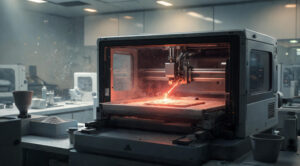
Selective Laser Sintering is where 3D printing stops looking like a hobby and starts behaving like a factory. On 3dprinting street, this sub-category is your launch pad into powder-bed magic, where a high-energy laser sweeps across a thin layer of nylon or other engineering powders, fusing only what your design demands. No support structures dangling in the way—just dense, functional parts emerging from a warm powder bed like artifacts from the future. Here you’ll explore how SLS builds lightweight lattices, durable brackets, and production-ready assemblies in a single print run. We’ll unpack material choices, packing strategies, post-processing workflows, and design rules that turn “prototype-only” thinking into real small-batch manufacturing. Whether you’re an engineer chasing performance, a maker exploring complex geometries, or a product designer testing market-ready parts, Selective Laser Sintering on 3dprinting street shows you how to put industrial-grade powder power on your side.
A: SLS fuses powder with a laser, creating support-free parts with more uniform strength in all directions.
A: Nylon-based powders like PA11 and PA12 are typical, with options for reinforced and specialty blends.
A: No separate supports; unsintered powder surrounds and supports features during the build.
A: Properly processed SLS parts are tough and suitable for many functional and end-use applications.
A: Powder management is key; good equipment, housekeeping, and PPE keep the workflow controlled.
A: Yes, typically as a mix of used and fresh powder; each material has recommended refresh ratios.
A: Parts are unpacked, de-powdered, often media blasted, and optionally dyed or sealed.
A: Many are reasonably water-resistant; sealing or coating can improve performance when needed.
A: Build volume varies by machine; large parts may be split into sections and joined after printing.
A: Product developers, service bureaus, engineers, and manufacturers looking for rapid, robust 3D parts.