The Right Technology Depends on the Part
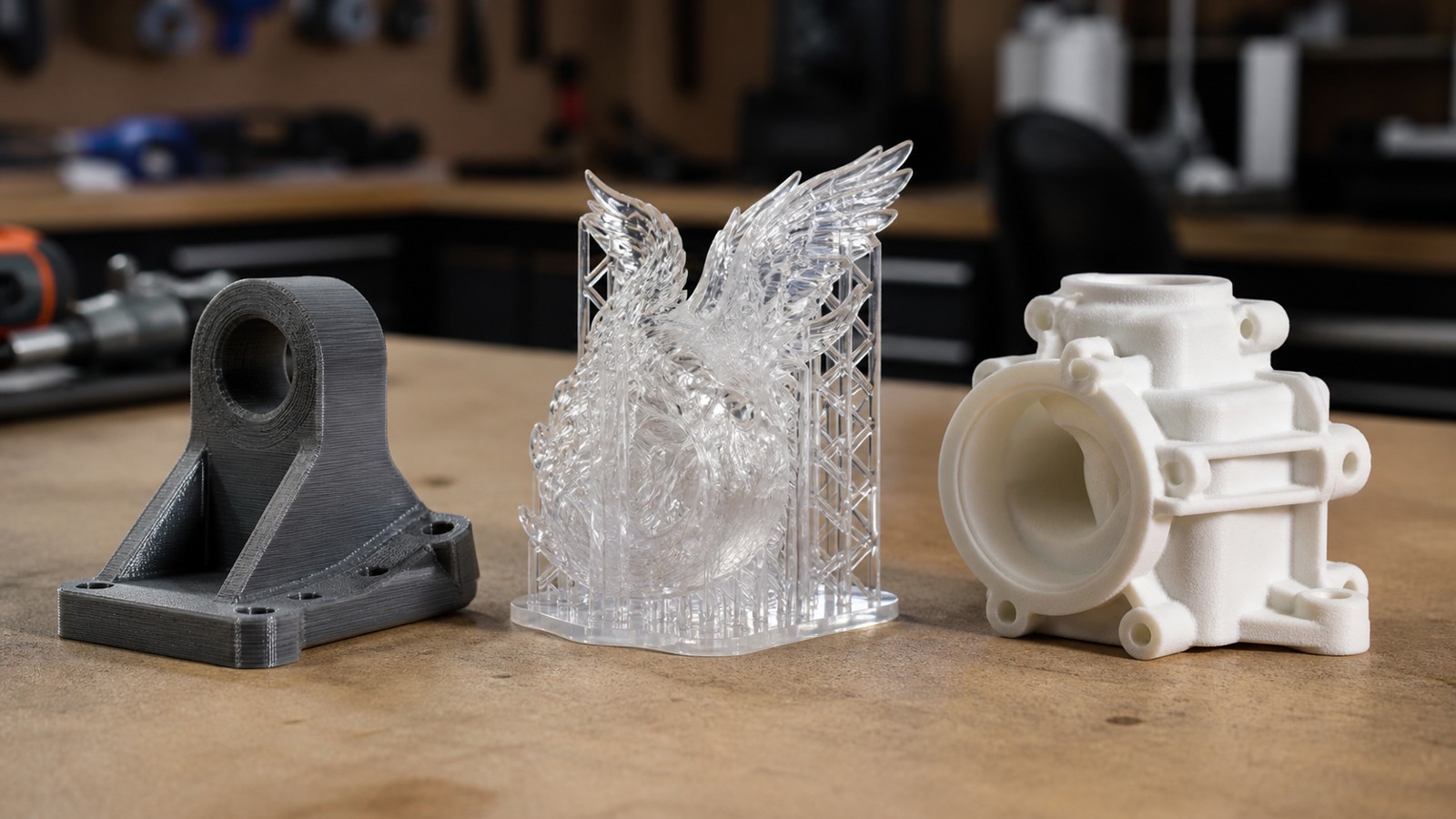
FDM, SLA, and SLS are three of the most common 3D printing choices, and each wins a different kind of job. FDM is accessible and practical, SLA is detailed and smooth, and SLS is strong for complex nylon parts.
A: Match the model, material, settings, and finish plan to the purpose of the print.
A: Bed leveling, surface cleanliness, nozzle height, temperature, and material condition are the usual suspects.
A: No. Slower speeds can improve detail, but heat buildup and profile balance still matter.
A: Use the right material, more walls, smart orientation, enough infill, and realistic load testing.
A: Temperature, retraction, travel moves, moisture, and material type all contribute.
A: Diagnose failed supports, suction marks, brittle parts, and uncured residue before buying parts.
A: Very important; it shows toolpaths, supports, layer changes, and possible weak spots before printing.
A: First layers, simple calibration prints, support cleanup, and basic material profiles.
A: Clean orientation, tuned settings, good material handling, and careful washing, curing, sanding, priming, and safe handling.
A: It is most useful for makers who want crisp detail and accept the messier workflow.
The Right Technology Depends on the Part
FDM, SLA, and SLS are three of the most common 3D printing choices, and each wins a different kind of job. FDM is accessible and practical, SLA is detailed and smooth, and SLS is strong for complex nylon parts.
Choosing among them starts with the finished object: size, detail, material, strength, tolerance, surface finish, quantity, safety, and budget.
FDM: Best for Accessible Everyday Printing
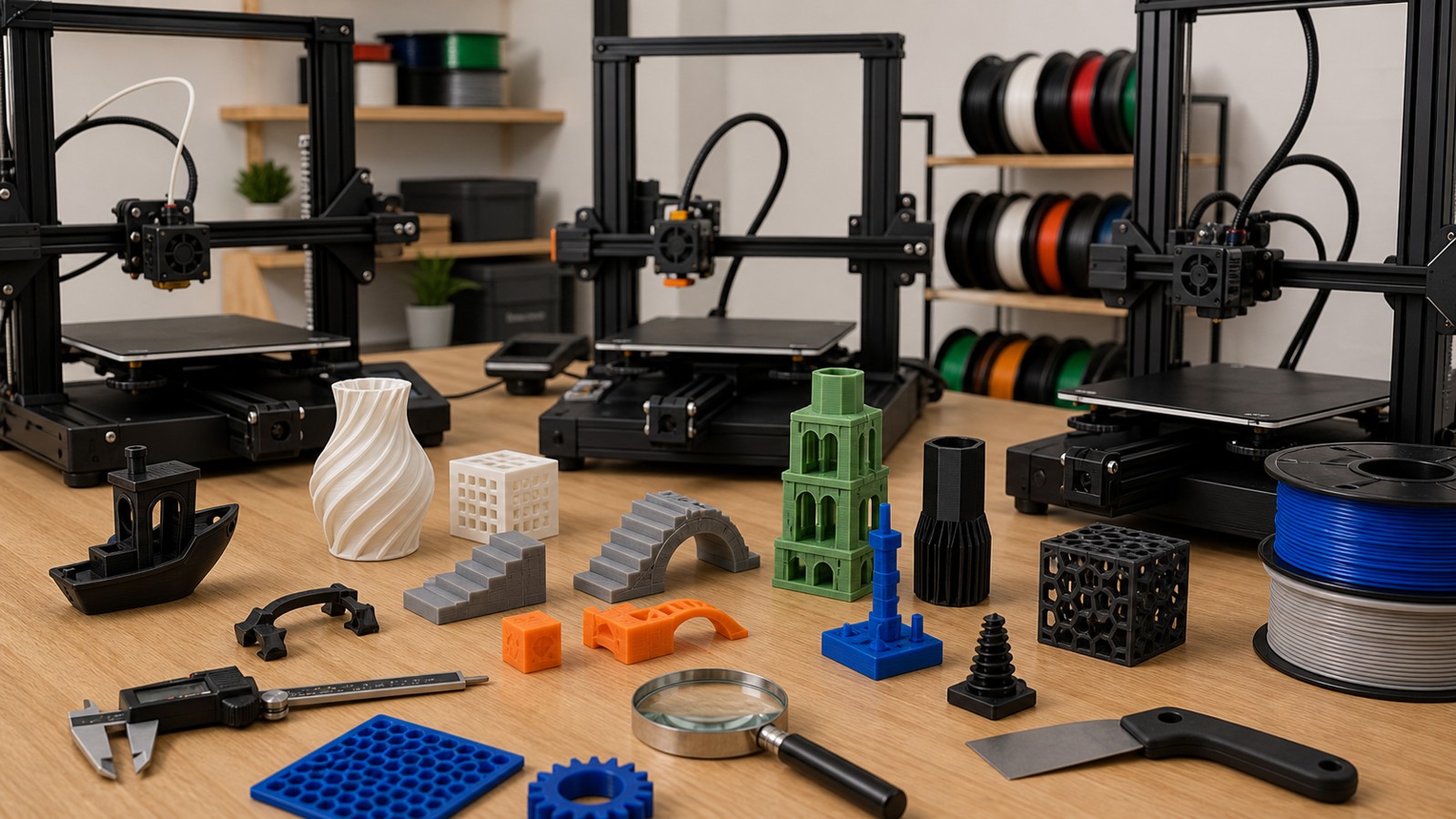
FDM printers use thermoplastic filament and are strong choices for beginners, classrooms, fixtures, larger prototypes, organizers, cosplay pieces, and low-cost functional parts. Materials such as PLA, PETG, TPU, ABS, and ASA cover many common needs.
FDM struggles with fine detail, visible layer lines, support scars, and weaker strength across layer lines. Orientation and wall count matter greatly.
SLA: Best for Fine Detail
SLA and related resin printing processes cure liquid resin with light. They excel at miniatures, dental models, jewelry masters, small prototypes, smooth surfaces, and crisp details.
The downsides are resin handling, washing, curing, brittleness for some materials, smaller build areas, and more safety cleanup than FDM.
SLS: Best for Functional Nylon Geometry
SLS fuses polymer powder with a laser. The surrounding powder supports parts during printing, so complex shapes can be made without conventional supports. It is strong for functional prototypes, batches, clips, ducts, housings, and low-volume production.
The drawbacks are cost, powder handling, cooldown time, textured surfaces, and post-processing. Most hobbyists access SLS through service bureaus rather than home machines.
Quick Decision Examples
Use FDM for a wall hook, drawer organizer, cosplay armor section, or large terrain piece. Use SLA for a 32 mm miniature, jewelry master, dental-style model, or display bust. Use SLS for a nylon snap-fit clip, duct, wearable part, or small batch of functional housings.
When the part must be cheap and large, start with FDM. When it must be small and detailed, start with resin. When it must be tough, complex, and support-free, evaluate SLS.
FAQ
Is FDM or SLA better?
FDM is better for low-cost larger parts, while SLA is better for fine detail and smooth surfaces.
Is SLS stronger than FDM?
SLS nylon can be stronger for many complex functional parts, but a well-designed FDM part can also be strong.
Which process is best for miniatures?
SLA or another resin process is usually best for high-detail miniatures.