The 11 Types Fit Into Larger Families
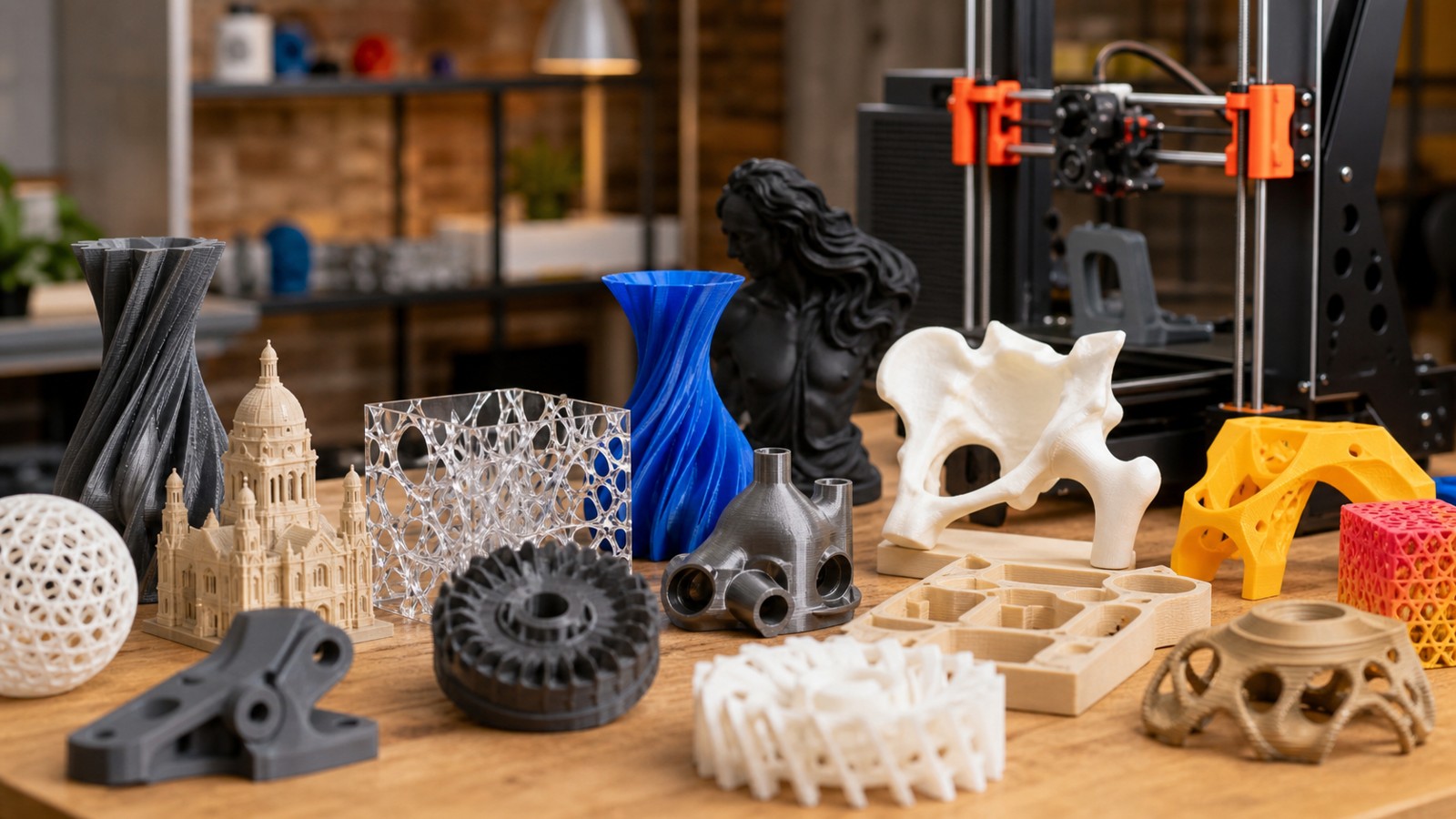
The main 3D printing technologies are best understood as families rather than isolated machines. Industry references commonly group additive manufacturing into categories such as material extrusion, vat photopolymerization, powder bed fusion, material jetting, binder jetting, directed energy deposition, and sheet lamination.
A: Match the model, material, settings, and finish plan to the purpose of the print.
A: Bed leveling, surface cleanliness, nozzle height, temperature, and material condition are the usual suspects.
A: No. Slower speeds can improve detail, but heat buildup and profile balance still matter.
A: Use the right material, more walls, smart orientation, enough infill, and realistic load testing.
A: Temperature, retraction, travel moves, moisture, and material type all contribute.
A: Diagnose stringing, warping, weak layers, clogs, and moisture bubbles before buying parts.
A: Very important; it shows toolpaths, supports, layer changes, and possible weak spots before printing.
A: First layers, simple calibration prints, support cleanup, and basic material profiles.
A: Clean orientation, tuned settings, good material handling, and careful support removal, sanding, painting, smoothing, and part testing.
A: It is most useful for makers matching material behavior to the job instead of only the color.
The 11 Types Fit Into Larger Families
The main 3D printing technologies are best understood as families rather than isolated machines. Industry references commonly group additive manufacturing into categories such as material extrusion, vat photopolymerization, powder bed fusion, material jetting, binder jetting, directed energy deposition, and sheet lamination.
A beginner does not need to master every process at once. Start with what each process uses as material, how it forms a layer, what it is good at, and what limits it has.
1. FDM or FFF
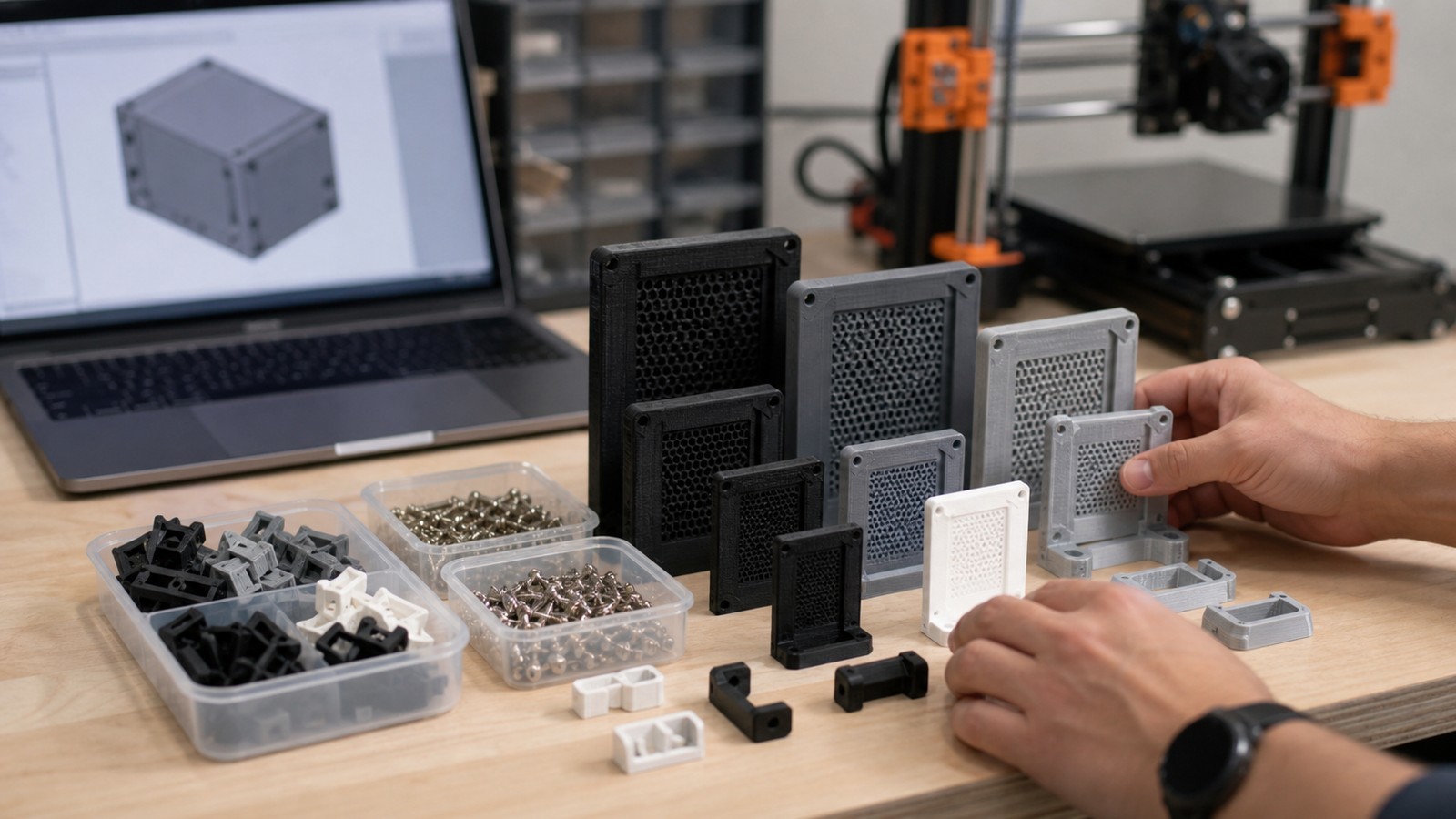
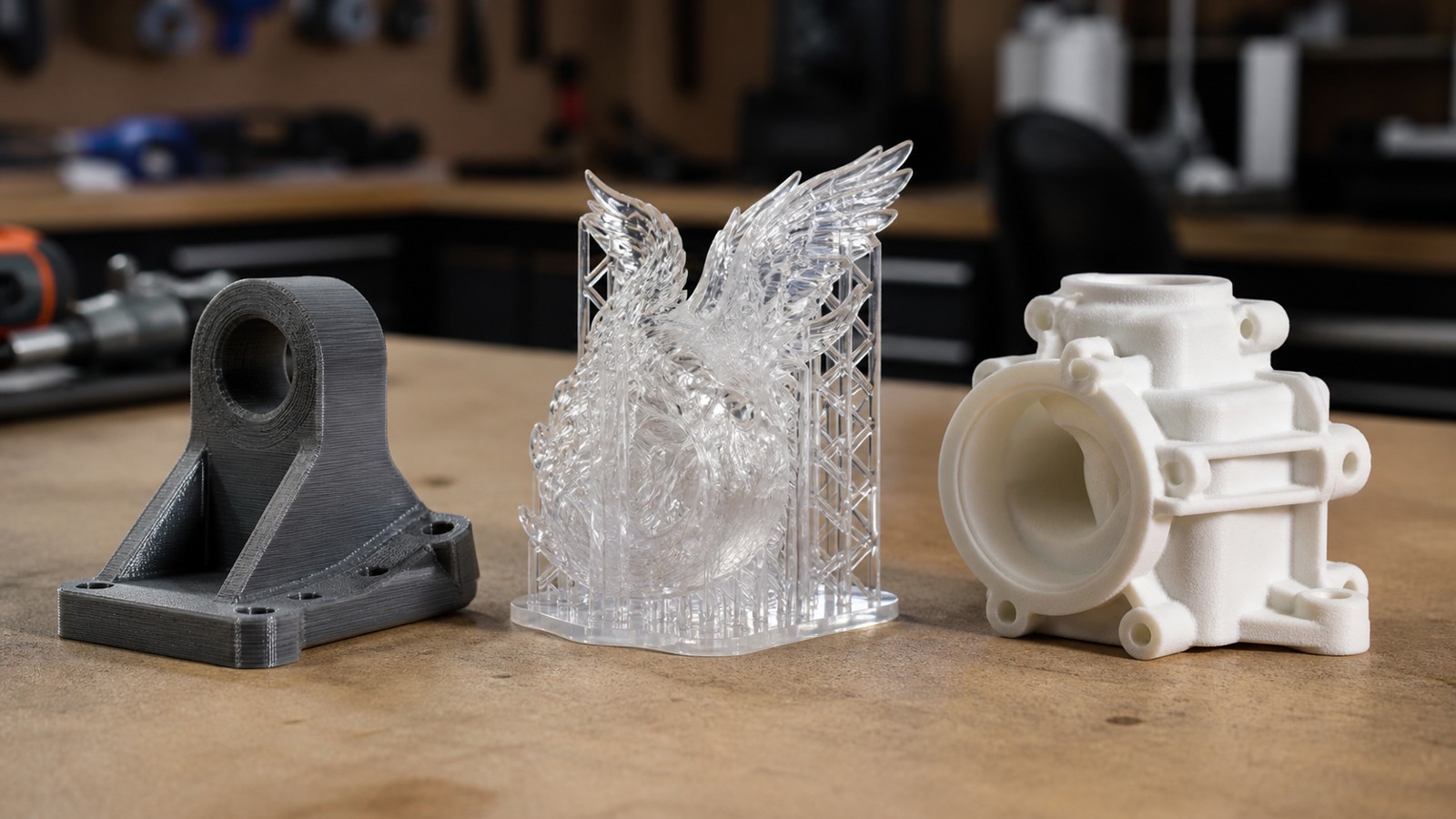
FDM, also called FFF in open terminology, extrudes melted thermoplastic filament through a nozzle. It is the most common desktop process and works well for hobby prints, fixtures, prototypes, organizers, brackets, and larger objects.
Its main limits are visible layer lines, bed adhesion, support marks, and strength differences by orientation.
2. SLA and 3. MSLA/DLP Resin Printing
SLA and related resin processes cure liquid photopolymer with light. Modern desktop resin printers often use masked LCD exposure or DLP projection rather than a laser, but the core idea is still curing resin layer by layer.
Resin printing is excellent for miniatures, dental models, jewelry masters, and fine detail. It also requires gloves, ventilation, washing, curing, and careful resin waste handling.
4. SLS and 5. MJF
SLS uses a laser to fuse polymer powder, while MJF uses agents and heat to fuse selected powder areas. Both can make functional nylon parts without conventional supports, making them strong choices for batches, complex shapes, and durable prototypes.
The tradeoffs include powder handling, cooldown, surface texture, and post-processing.
6. Metal Powder Bed Fusion and 7. Directed Energy Deposition
Metal laser powder bed fusion builds dense metal parts from powder using a laser or electron beam. Directed energy deposition feeds powder or wire into an energy source, often for repair, large features, or near-net metal builds.
These are industrial processes requiring serious safety, materials, and quality control. They are not casual desktop workflows.
8. Binder Jetting, 9. Material Jetting, 10. Sheet Lamination, 11. Bioprinting
Binder jetting deposits a binding agent into powder and may require post-processing. Material jetting deposits droplets of build material. Sheet lamination bonds sheets together. Bioprinting adapts additive principles to biological research and medical development contexts.
These technologies serve different applications, from sand molds and full-color models to research materials and specialized manufacturing.
FAQ
Which 3D printing type is best for beginners?
FDM is usually the easiest and cleanest starting point for general beginners.
Which type gives the best detail?
Resin processes such as SLA, MSLA, and DLP usually provide the finest detail for small models.
Which type makes functional nylon parts?
SLS and MJF are common choices for functional polymer powder-bed parts.