The Best Technology Depends on the Job
SLS, SLA, and FDM are not interchangeable. FDM is accessible and low-cost, SLA is detailed and smooth, and SLS is strong for complex functional nylon parts. The best process is the one that matches size, material, detail, strength, finish, and budget.
A: Match the model, material, settings, and finish plan to the purpose of the print.
A: Bed leveling, surface cleanliness, nozzle height, temperature, and material condition are the usual suspects.
A: No. Slower speeds can improve detail, but heat buildup and profile balance still matter.
A: Use the right material, more walls, smart orientation, enough infill, and realistic load testing.
A: Temperature, retraction, travel moves, moisture, and material type all contribute.
A: Diagnose failed supports, suction marks, brittle parts, and uncured residue before buying parts.
A: Very important; it shows toolpaths, supports, layer changes, and possible weak spots before printing.
A: First layers, simple calibration prints, support cleanup, and basic material profiles.
A: Clean orientation, tuned settings, good material handling, and careful washing, curing, sanding, priming, and safe handling.
A: It is most useful for makers who want crisp detail and accept the messier workflow.
The Best Technology Depends on the Job
SLS, SLA, and FDM are not interchangeable. FDM is accessible and low-cost, SLA is detailed and smooth, and SLS is strong for complex functional nylon parts. The best process is the one that matches size, material, detail, strength, finish, and budget.
A good comparison starts with the part’s job, not the machine’s reputation.
FDM
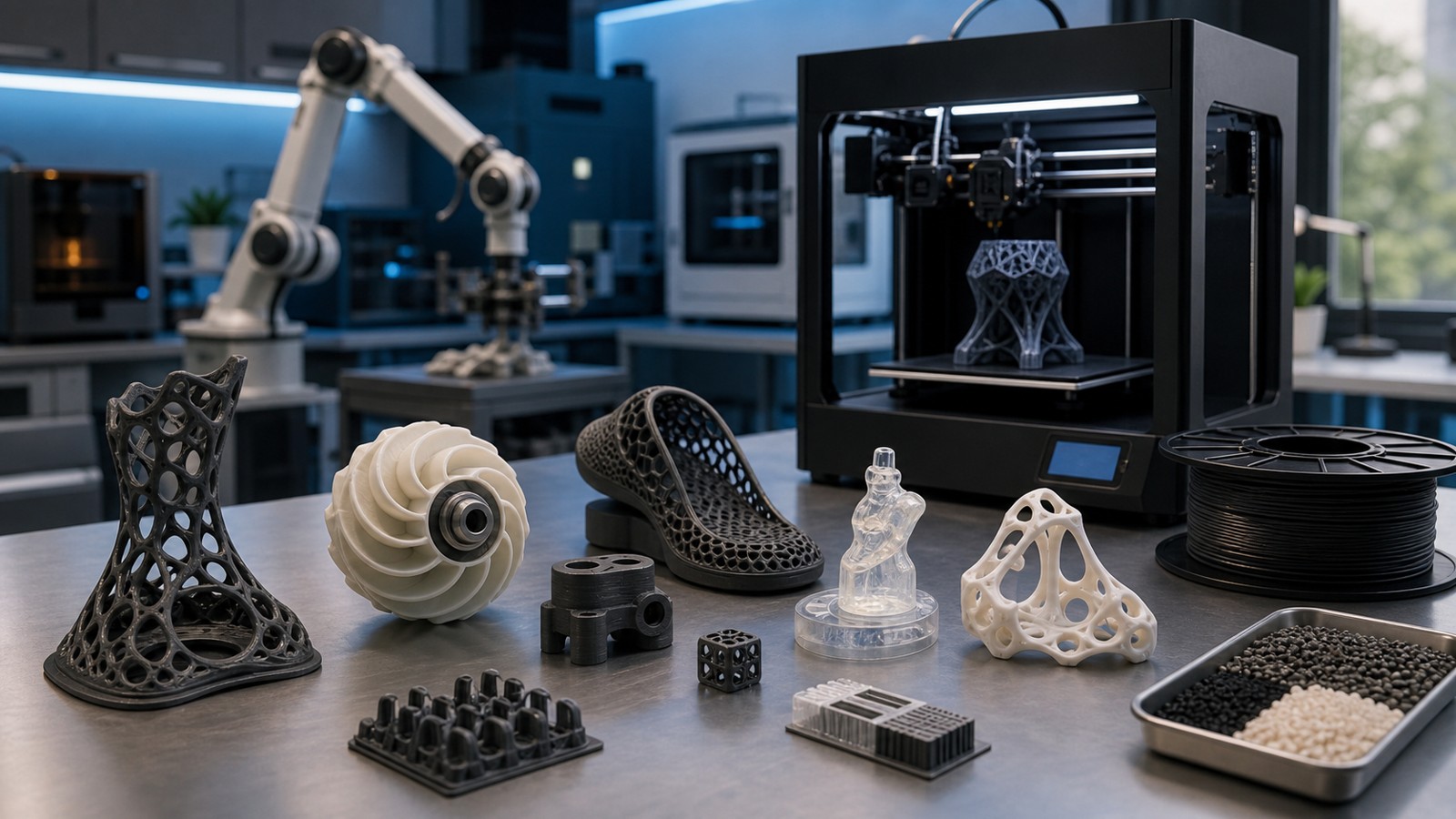
FDM uses thermoplastic filament and is the best starting point for many beginners. It works well for fixtures, household parts, larger prototypes, organizers, cosplay sections, and low-cost practical prints.
Its limits are layer lines, support marks, bed adhesion, and strength differences by orientation. Good wall count and material choice matter.
SLA
SLA and related resin printing processes cure liquid resin with light. They excel at miniatures, jewelry masters, dental-style models, small detailed prototypes, and smooth surfaces.
The tradeoff is resin handling. Washing, curing, ventilation, gloves, and waste management are part of the process.
SLS
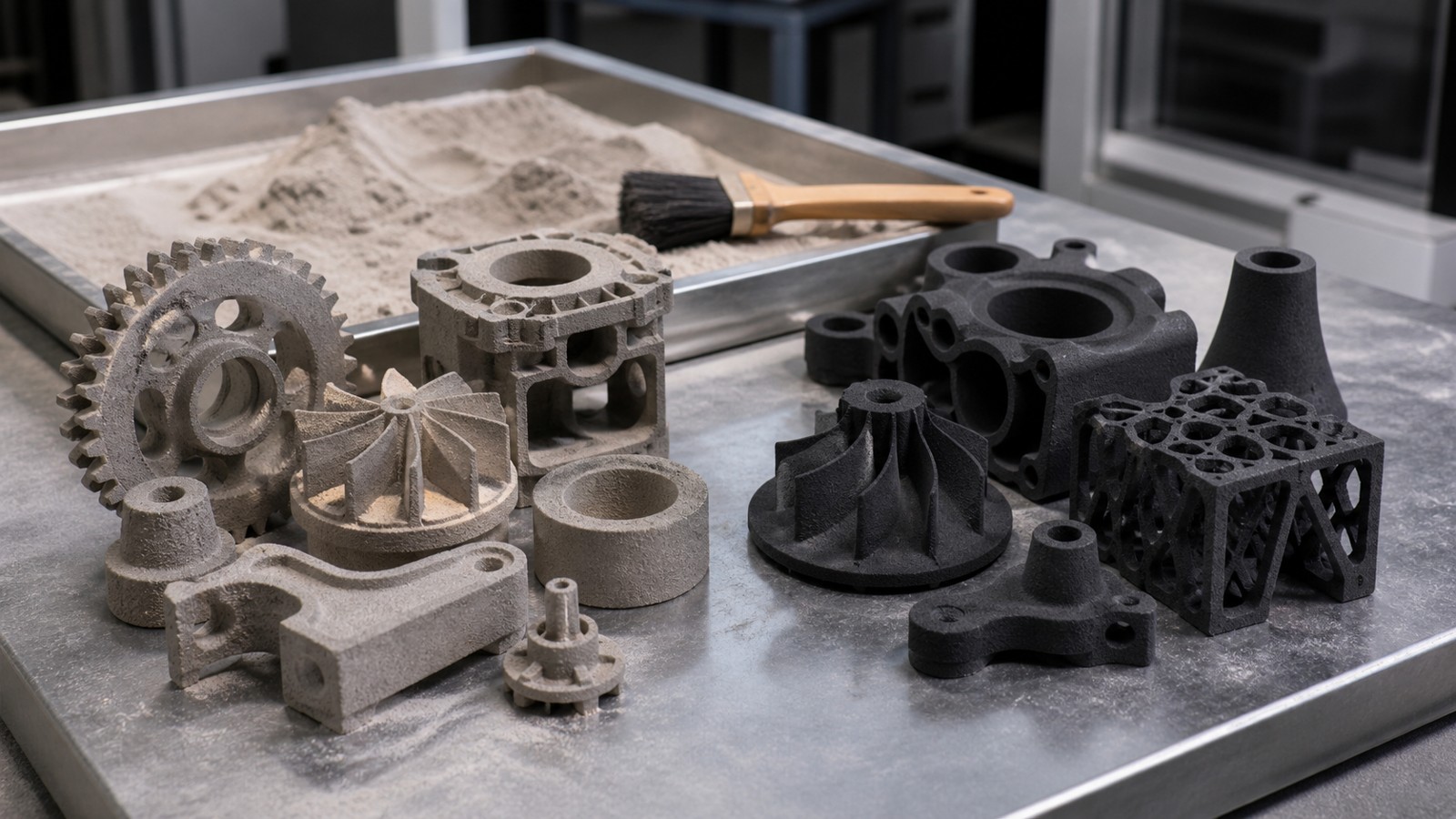
SLS fuses polymer powder, usually nylon, with a laser. Unfused powder supports the part, allowing complex shapes without conventional supports. It is strong for functional prototypes, low-volume batches, clips, ducts, and housings.
The drawbacks are cost, powder handling, cooldown, textured surfaces, and post-processing. Many users access SLS through service bureaus.
Practical Decision Examples
Use FDM for a garage organizer, prototype bracket, or large cosplay part. Use SLA for a detailed miniature or smooth product model. Use SLS for a nylon snap-fit enclosure, duct, wearable part, or small batch of functional components.
If the job needs low cost and size, start with FDM. If it needs detail, start with SLA. If it needs durable support-free nylon geometry, evaluate SLS.
FAQ
Which is best for beginners?
FDM is usually best for beginners because it is affordable and simpler to handle.
Which is best for detail?
SLA is usually best for fine detail and smooth surfaces.
Which is best for functional parts?
SLS is often best for complex functional nylon parts, while FDM can be excellent for simpler functional objects.