Professional SLS Printers Are Full Workflows
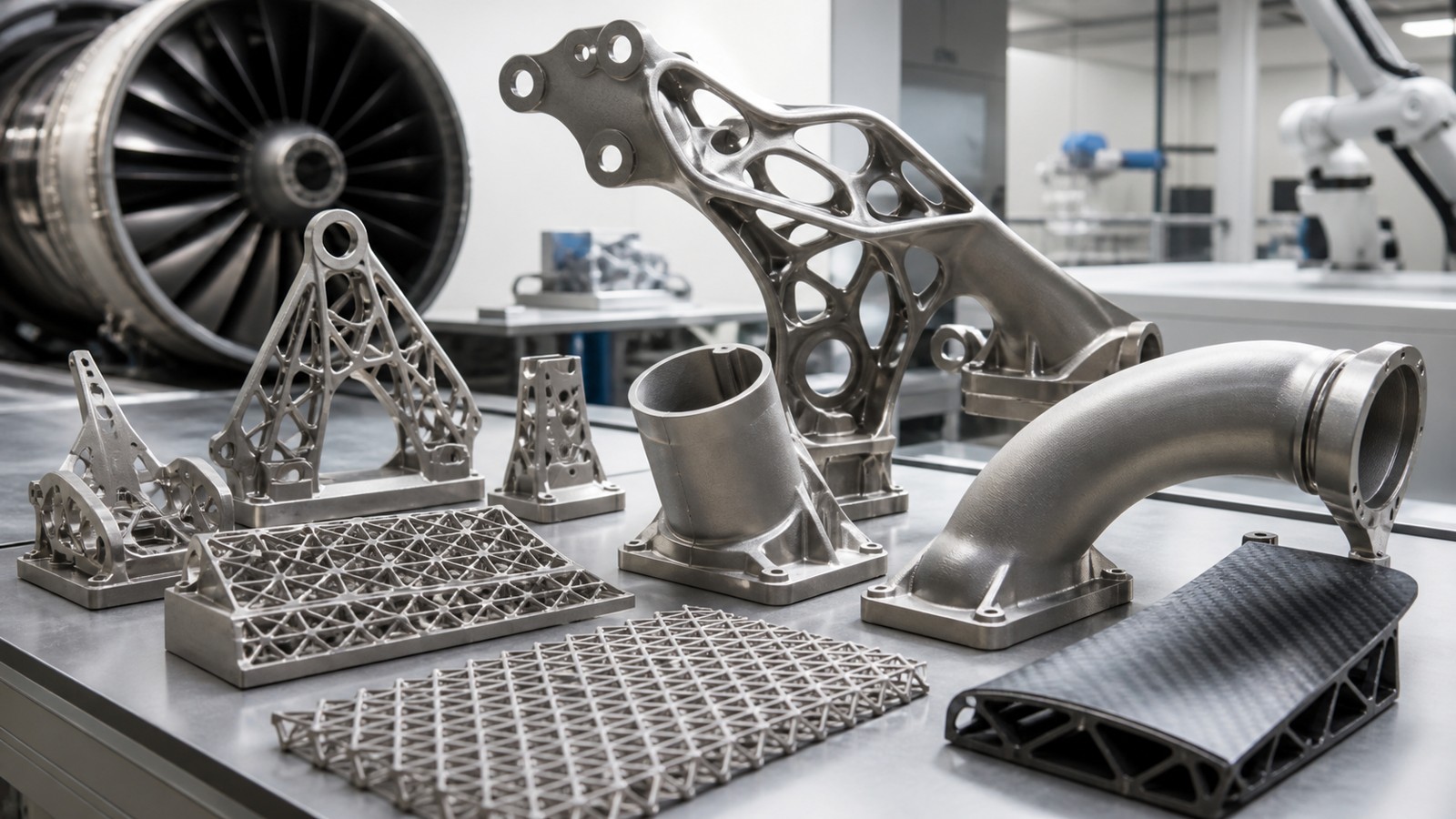
A professional SLS printer is not just a printer. It is a powder-handling, nesting, cooling, depowdering, blasting, material-management, and quality-control workflow. The best system depends on part volume, material needs, floor space, service, and operator skill.
A: Match the model, material, settings, and finish plan to the purpose of the print.
A: Bed leveling, surface cleanliness, nozzle height, temperature, and material condition are the usual suspects.
A: No. Slower speeds can improve detail, but heat buildup and profile balance still matter.
A: Use the right material, more walls, smart orientation, enough infill, and realistic load testing.
A: Temperature, retraction, travel moves, moisture, and material type all contribute.
A: Diagnose slow throughput, inconsistent tolerances, weak parts, and unclear requirements before buying parts.
A: Very important; it shows toolpaths, supports, layer changes, and possible weak spots before printing.
A: First layers, simple calibration prints, support cleanup, and basic material profiles.
A: Clean orientation, tuned settings, good material handling, and careful inspection, part testing, finishing, assembly, and revision control.
A: It is most useful for teams using 3D printing as a workflow tool, not only a hobby machine.
Professional SLS Printers Are Full Workflows
A professional SLS printer is not just a printer. It is a powder-handling, nesting, cooling, depowdering, blasting, material-management, and quality-control workflow. The best system depends on part volume, material needs, floor space, service, and operator skill.
Professional manufacturing users need repeatability more than novelty. Build volume, powder refresh, throughput, materials, finishing, and support decide whether an SLS machine belongs in production.
Formlabs Fuse Series
Formlabs’ Fuse Series is one of the most accessible professional SLS ecosystems. Its technical specifications list selective laser sintering technology, 110 micron layer thickness, and build volumes including 16.5 x 16.5 x 30 cm for Fuse 1 generation machines and larger Fuse 1+ 30W generation options on current spec pages.
The ecosystem approach is useful for small manufacturers, labs, and service teams because software, materials, powder recovery, and post-processing are designed to work together.
Sinterit Lisa X
The Sinterit Lisa X is positioned as a fast compact industrial SLS machine for rapid prototyping and small-batch production. It is a relevant option for teams that want professional powder-bed capability in a smaller footprint.
As with any SLS purchase, buyers should evaluate sample parts, local support, material availability, powder handling, build volume, and post-processing labor before committing.
Industrial Systems Beyond Compact SLS
Larger industrial SLS systems from established manufacturers can offer higher throughput, larger build volumes, broader automation, and production-oriented material workflows. They also require more facility planning and operating discipline.
The jump from compact professional SLS to industrial SLS is a business decision. It only makes sense when volume, quality control, and material needs justify the larger system.
Selection Checklist
Compare build volume, material portfolio, powder refresh rate, nesting software, cooldown, throughput, service contracts, post-processing equipment, facility requirements, and cost per usable part.
Order benchmark parts before buying. Measure tolerance, surface finish, cleanup time, and mechanical behavior in the final material and finish.
FAQ
What is the best professional SLS printer?
There is no universal best. Formlabs Fuse Series and Sinterit Lisa X are relevant compact professional options, while larger industrial systems fit higher-volume workflows.
What matters most when buying SLS equipment?
Powder workflow, materials, service, post-processing, build volume, and repeatable cost per usable part matter most.
Is compact SLS suitable for manufacturing?
Yes, for low-volume production, prototypes, fixtures, and selected final-use nylon parts when the workflow is validated.