The Real Cost of 3D Printing
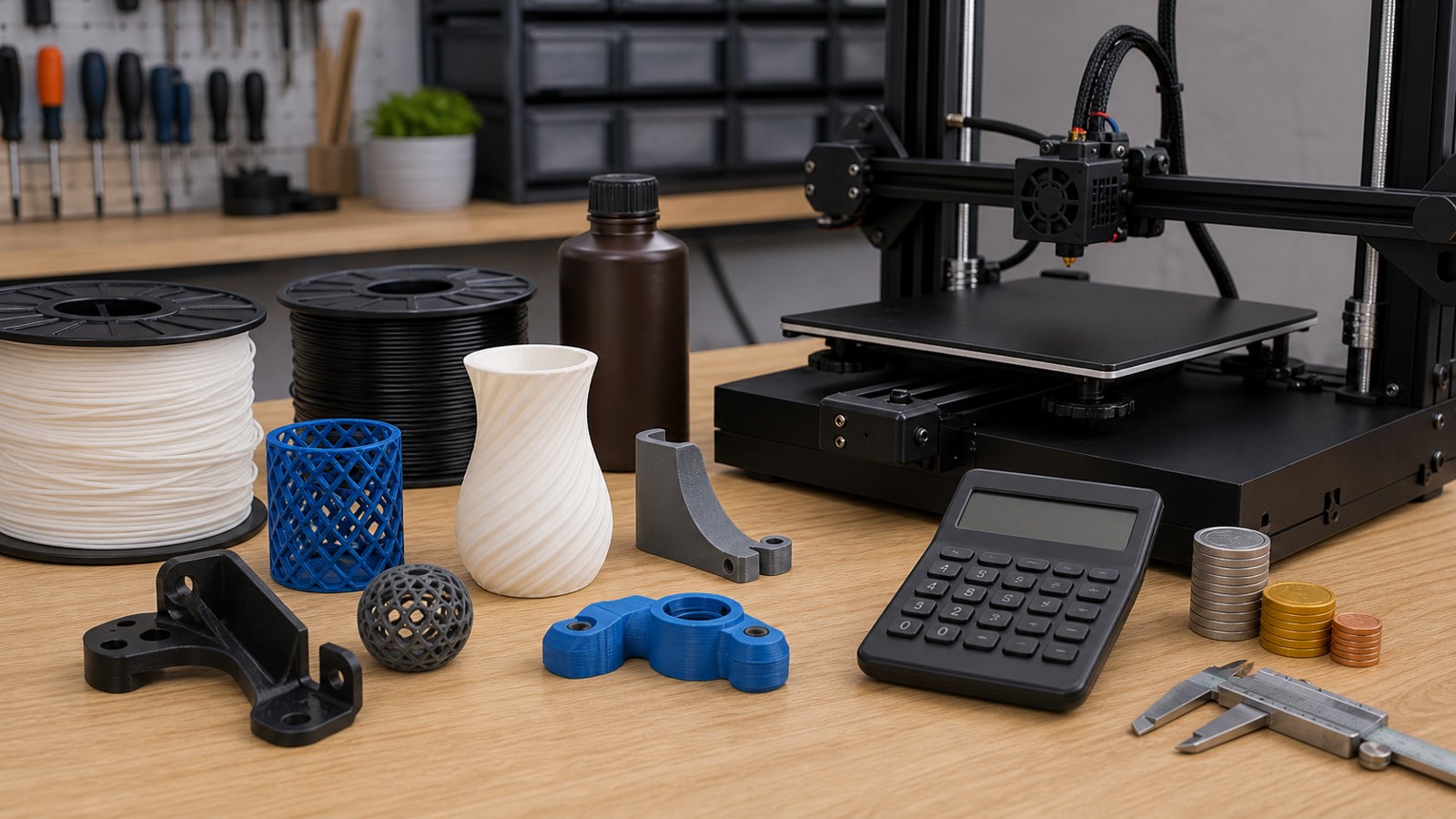
3D printing cost is more than filament or resin. A real estimate includes material, failed prints, electricity, machine wear, nozzles, bed surfaces, post-processing supplies, labor, software, shipping, packaging, and the time spent preparing the file.
A: Match the model, material, settings, and finish plan to the purpose of the print.
A: Bed leveling, surface cleanliness, nozzle height, temperature, and material condition are the usual suspects.
A: No. Slower speeds can improve detail, but heat buildup and profile balance still matter.
A: Use the right material, more walls, smart orientation, enough infill, and realistic load testing.
A: Temperature, retraction, travel moves, moisture, and material type all contribute.
A: Diagnose poor first layers, weak parts, stringing, warping, and rough surfaces before buying parts.
A: Very important; it shows toolpaths, supports, layer changes, and possible weak spots before printing.
A: First layers, simple calibration prints, support cleanup, and basic material profiles.
A: Clean orientation, tuned settings, good material handling, and careful support removal, sanding, painting, fitting, and practical testing.
A: It is most useful for makers who want cleaner prints and fewer wasted attempts.
The Real Cost of 3D Printing
3D printing cost is more than filament or resin. A real estimate includes material, failed prints, electricity, machine wear, nozzles, bed surfaces, post-processing supplies, labor, software, shipping, packaging, and the time spent preparing the file.
For a hobbyist, the main question is budget. For a business, the main question is cost per usable part. A cheap print that fails twice may cost more than a slower, better-planned print that works the first time.
Printer Purchase Cost
Beginner FDM printers can be inexpensive, while professional FDM, resin, SLS, and industrial systems rise quickly in price. Formlabs notes that professional FDM systems can start around the low thousands, with industrial machines costing far more.
Do not compare only purchase price. Include spare parts, warranty, training, post-processing equipment, resin wash and cure stations, SLS depowdering, or enclosures for higher-temperature materials.
Material Cost
Filament is usually priced per kilogram, resin per liter or cartridge, and SLS powder by material workflow. PLA is often the cheapest easy starter material. PETG, TPU, nylon, composites, engineering resins, and SLS powders cost more because they solve harder problems.
A 40 gram PLA print may use less than a dollar of filament, but that is not the whole job cost. If it takes two hours to prepare, print, remove supports, and clean up, labor matters.
Time, Failures, and Finishing
Print time affects electricity, machine availability, and order lead time. Support removal, sanding, dyeing, curing, painting, drilling, inserts, and inspection add cost after the machine stops.
Failed prints need to be priced honestly. A business that ignores a 10 percent failure rate will undercharge every successful part.
Beginner Budget Examples
A home user can start with an FDM printer, one or two PLA spools, basic tools, and a clean workspace. Resin costs more in supplies because gloves, wash liquid, curing, ventilation, and waste handling are part of the workflow.
SLS is usually accessed through service bureaus unless the user has enough recurring work to justify the full machine and powder-handling system.
FAQ
How much does a basic 3D print cost?
For FDM, small prints can cost cents to a few dollars in material, but total cost rises when time, failures, and finishing are included.
Is resin printing more expensive than filament printing?
Often yes for beginners because resin requires washing, curing, gloves, ventilation, and more cleanup supplies.
What cost do beginners forget most often?
Failures and labor are the most commonly ignored costs.