What a Cost Calculator Must Include
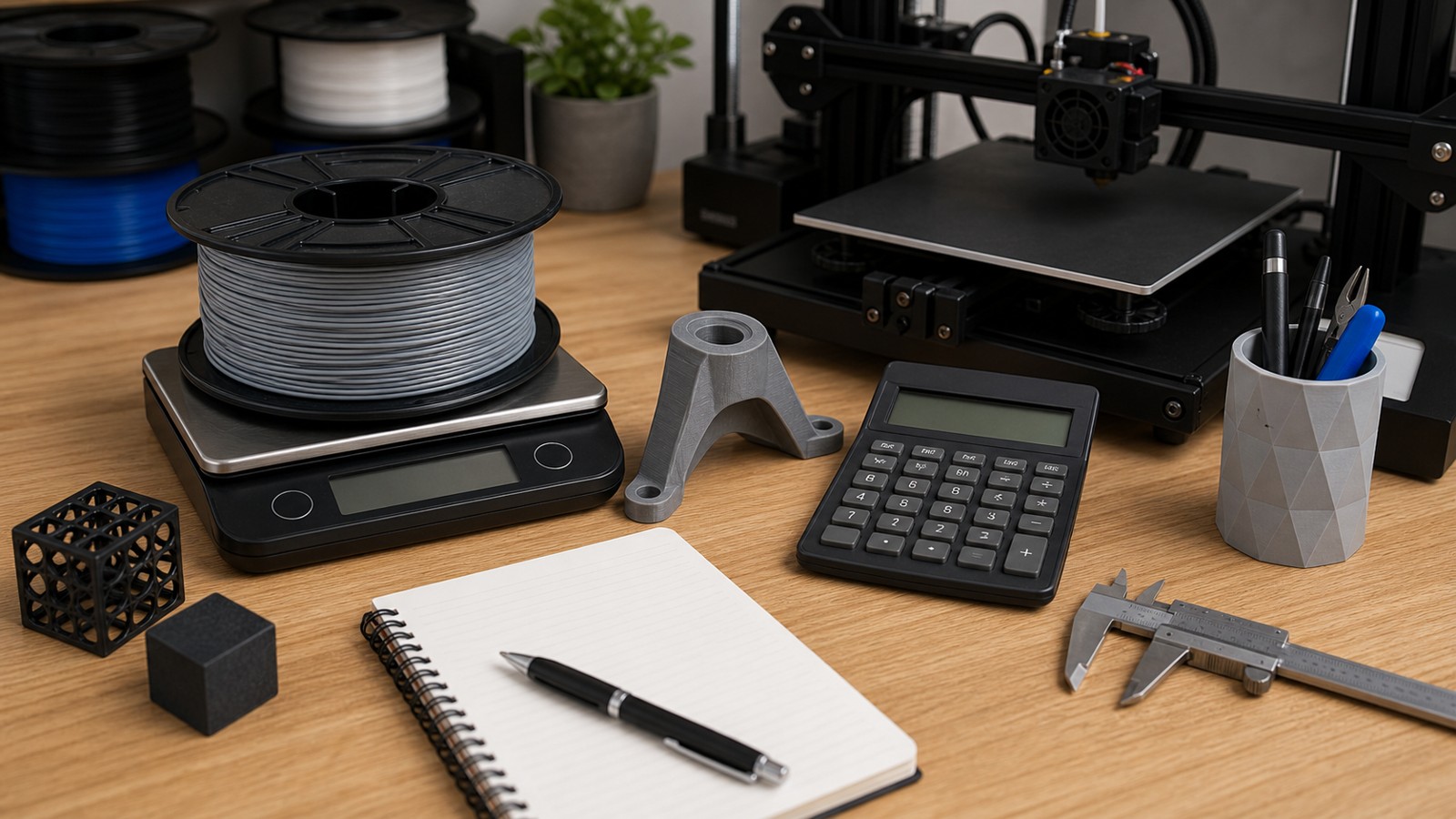
A useful 3D printing cost calculator estimates material, electricity, machine wear, labor, failure rate, finishing, packaging, and margin. Filament weight alone is not enough for quoting or selling prints.
A: Match the model, material, settings, and finish plan to the purpose of the print.
A: Bed leveling, surface cleanliness, nozzle height, temperature, and material condition are the usual suspects.
A: No. Slower speeds can improve detail, but heat buildup and profile balance still matter.
A: Use the right material, more walls, smart orientation, enough infill, and realistic load testing.
A: Temperature, retraction, travel moves, moisture, and material type all contribute.
A: Diagnose poor first layers, weak parts, stringing, warping, and rough surfaces before buying parts.
A: Very important; it shows toolpaths, supports, layer changes, and possible weak spots before printing.
A: First layers, simple calibration prints, support cleanup, and basic material profiles.
A: Clean orientation, tuned settings, good material handling, and careful support removal, sanding, painting, fitting, and practical testing.
A: It is most useful for makers who want cleaner prints and fewer wasted attempts.
What a Cost Calculator Must Include
A useful 3D printing cost calculator estimates material, electricity, machine wear, labor, failure rate, finishing, packaging, and margin. Filament weight alone is not enough for quoting or selling prints.
The calculator should separate hobby cost from business price. Hobby cost asks what the print consumed. Business price asks what the job must charge to remain worthwhile.
Material Formula
For filament, divide spool price by spool weight to get cost per gram, then multiply by the grams used in the slicer. A 1 kg spool at 25 dollars costs 2.5 cents per gram, so an 80 gram print uses 2 dollars of filament before waste.
For resin, divide resin price by volume and multiply by milliliters used. For SLS, include powder refresh, packing efficiency, and post-processing because raw powder use alone does not describe the real cost.
Machine and Electricity Cost
Electricity is usually smaller than labor and machine wear, but it still belongs in a serious estimate. Multiply printer power use by hours and local electricity rate. Then add a machine-hour cost for depreciation and maintenance.
A printer that costs 600 dollars and is expected to run 1,000 useful hours has at least 60 cents per machine hour before repairs or upgrades.
Labor and Finishing
Include file review, slicing, setup, support removal, sanding, curing, dyeing, painting, inspection, packing, and customer messages. A five-hour print may require only fifteen minutes of labor, or it may require two hours of finishing.
Labor is where many small print businesses lose money. Charge for the human work, not only plastic.
Failure Rate and Margin
Add a failure allowance. If one in ten jobs fails, the other nine must pay for that loss. Then add profit margin or markup for business sustainability.
A good calculator keeps these fields visible: material, hours, labor minutes, finish, failure rate, overhead, and margin. That makes pricing consistent instead of emotional.
FAQ
What is the simplest 3D print cost formula?
Material cost equals material price per gram or milliliter multiplied by material used, then labor, machine time, failures, and margin are added.
Should print time affect price?
Yes. Print time affects machine availability, electricity, wear, lead time, and business capacity.
Why is charging only by gram risky?
It ignores labor, failures, machine wear, finishing, and overhead.