What Multi Jet Fusion Is
Multi Jet Fusion, or MJF, is HP’s polymer powder bed 3D printing technology. It builds parts from powder by applying fusing and detailing agents across each layer, then using heat to fuse the selected areas.
A: Match the model, material, settings, and finish plan to the purpose of the print.
A: Bed leveling, surface cleanliness, nozzle height, temperature, and material condition are the usual suspects.
A: No. Slower speeds can improve detail, but heat buildup and profile balance still matter.
A: Use the right material, more walls, smart orientation, enough infill, and realistic load testing.
A: Temperature, retraction, travel moves, moisture, and material type all contribute.
A: Diagnose poor first layers, weak parts, stringing, warping, and rough surfaces before buying parts.
A: Very important; it shows toolpaths, supports, layer changes, and possible weak spots before printing.
A: First layers, simple calibration prints, support cleanup, and basic material profiles.
A: Clean orientation, tuned settings, good material handling, and careful support removal, sanding, painting, fitting, and practical testing.
A: It is most useful for makers who want cleaner prints and fewer wasted attempts.
What Multi Jet Fusion Is
Multi Jet Fusion, or MJF, is HP’s polymer powder bed 3D printing technology. It builds parts from powder by applying fusing and detailing agents across each layer, then using heat to fuse the selected areas.
MJF is often used for functional prototypes, production nylon parts, small batches, housings, clips, ducts, fixtures, and complex geometry. It competes most directly with SLS in many polymer powder-bed applications.
How MJF Works
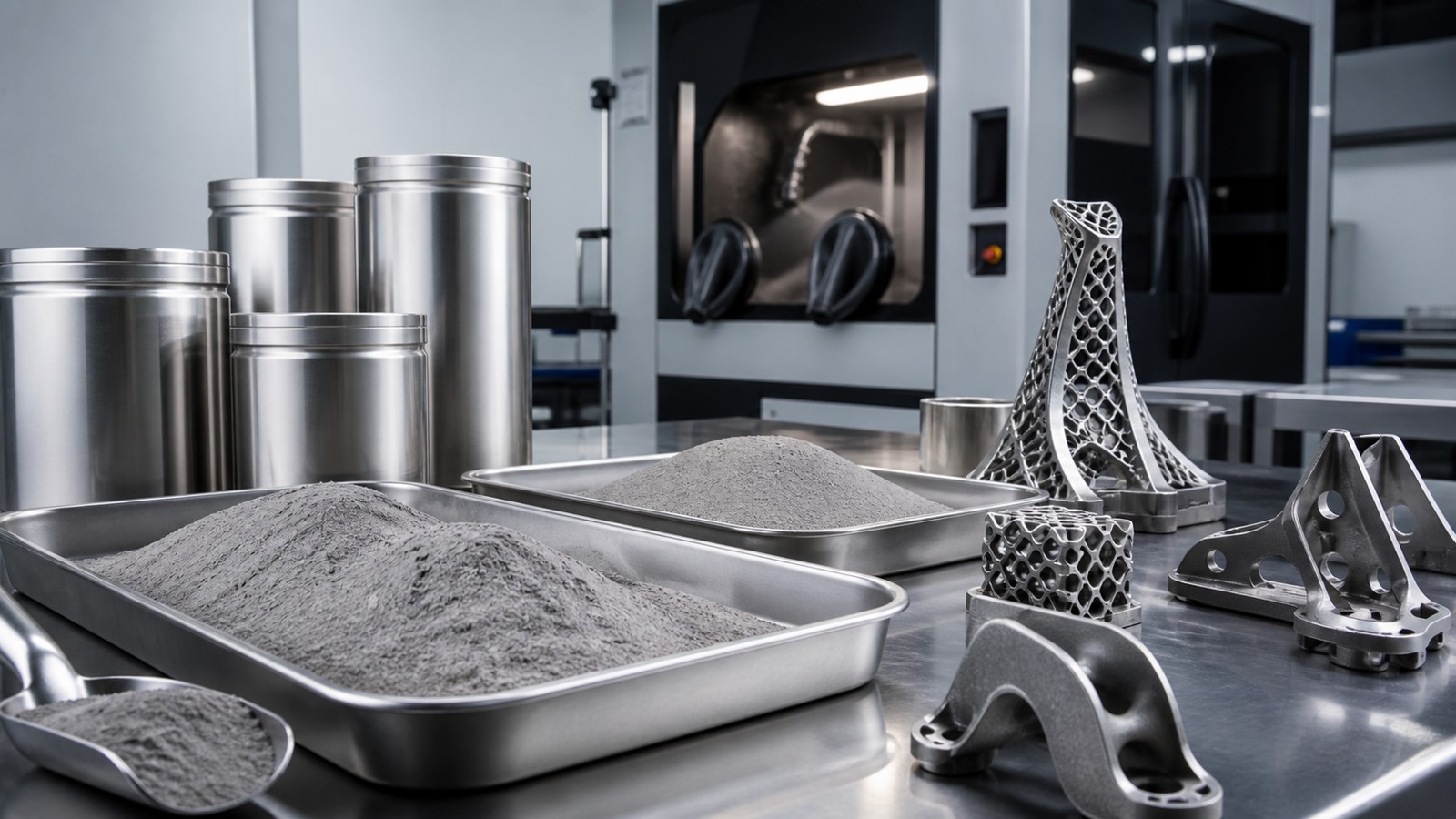
A layer of powder is spread across the build area. Printheads apply agents that control where the powder fuses and where edges remain defined. Heat then fuses the selected areas. The build repeats layer by layer until the parts are complete.
Like SLS, unfused powder supports the parts. That makes complex shapes, nested builds, and support-free geometry practical. The build then cools before parts are removed and finished.
Materials and Part Behavior
HP’s MJF material portfolio includes nylon materials such as PA12 and PA11, with options intended for functional parts and repeated production. HP notes high powder reusability for some materials, which affects production economics.
Material choice still controls performance. Stiffness, impact behavior, heat, surface finish, color, and cleaning needs must match the application.
Where MJF Works Best
MJF is strong for batches of functional polymer parts: clips, housings, jigs, fixtures, ducts, brackets, and consumer products. It is useful when production throughput and consistent powder-bed geometry matter.
It is less ideal for the cheapest one-off parts, glossy surfaces straight from the printer, or applications without material validation.
MJF Compared With SLS
SLS uses a laser to fuse powder. MJF uses agents and heat. Both can make functional nylon parts without conventional supports, but pricing, surface, detail, color, and supplier workflow can differ.
Choose by actual quote, material, finish, tolerance, and tested part behavior rather than assuming one powder-bed process always wins.
FAQ
Is MJF the same as SLS?
No. Both use powder beds, but MJF uses agents and heat while SLS uses a laser.
What is MJF best for?
MJF is best for functional polymer prototypes, small-batch production, and support-free nylon parts.
Does MJF need supports?
No conventional support structures are usually needed because unfused powder supports the part.