What Hybrid Manufacturing Is
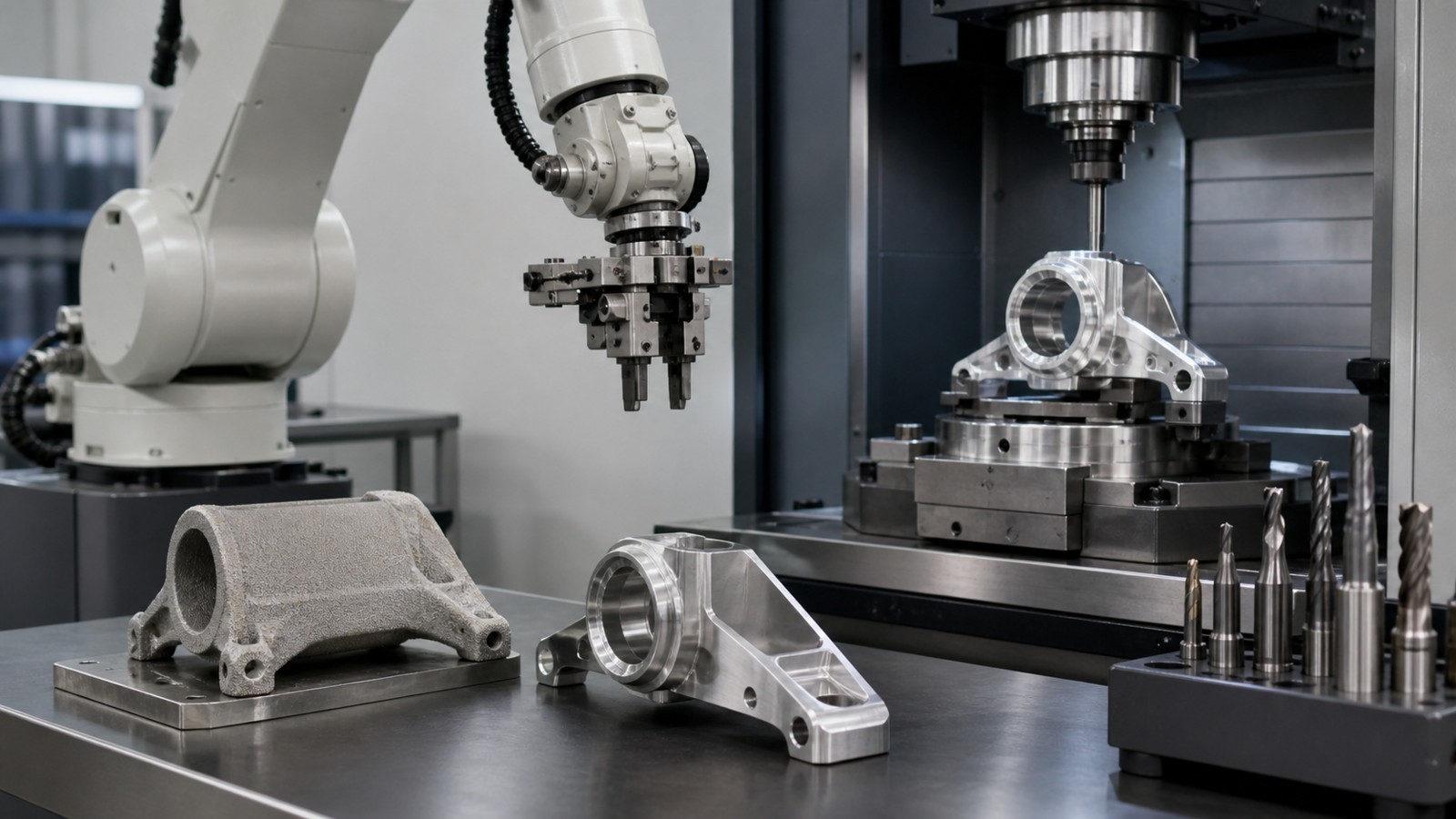
Hybrid manufacturing combines two or more manufacturing processes in one production route. In metal part production, the phrase often means combining additive manufacturing with subtractive machining. A part can be built up by additive deposition and then machined for tolerance, surface finish, or detailed features.
A: Match the model, material, settings, and finish plan to the purpose of the print.
A: Bed leveling, surface cleanliness, nozzle height, temperature, and material condition are the usual suspects.
A: No. Slower speeds can improve detail, but heat buildup and profile balance still matter.
A: Use the right material, more walls, smart orientation, enough infill, and realistic load testing.
A: Temperature, retraction, travel moves, moisture, and material type all contribute.
A: Diagnose slow throughput, inconsistent tolerances, weak parts, and unclear requirements before buying parts.
A: Very important; it shows toolpaths, supports, layer changes, and possible weak spots before printing.
A: First layers, simple calibration prints, support cleanup, and basic material profiles.
A: Clean orientation, tuned settings, good material handling, and careful inspection, part testing, finishing, assembly, and revision control.
A: It is most useful for teams using 3D printing as a workflow tool, not only a hobby machine.
What Hybrid Manufacturing Is
Hybrid manufacturing combines two or more manufacturing processes in one production route. In metal part production, the phrase often means combining additive manufacturing with subtractive machining. A part can be built up by additive deposition and then machined for tolerance, surface finish, or detailed features.
The idea is practical: additive manufacturing can create complex shape and add material only where needed, while CNC machining can deliver precise surfaces, holes, fits, threads, and final dimensions.
How a Hybrid Workflow Works
A hybrid workflow may begin with a CAD model, process planning, and toolpath creation for both additive and subtractive stages. The machine or cell deposits metal through a process such as directed energy deposition, then mills, drills, or turns selected areas.
Some systems combine both capabilities in one machine. Other shops use separate printers and CNC machines. The key is that the part plan intentionally uses both additive and subtractive strengths instead of treating post-machining as an afterthought.
Why Additive and CNC Fit Together
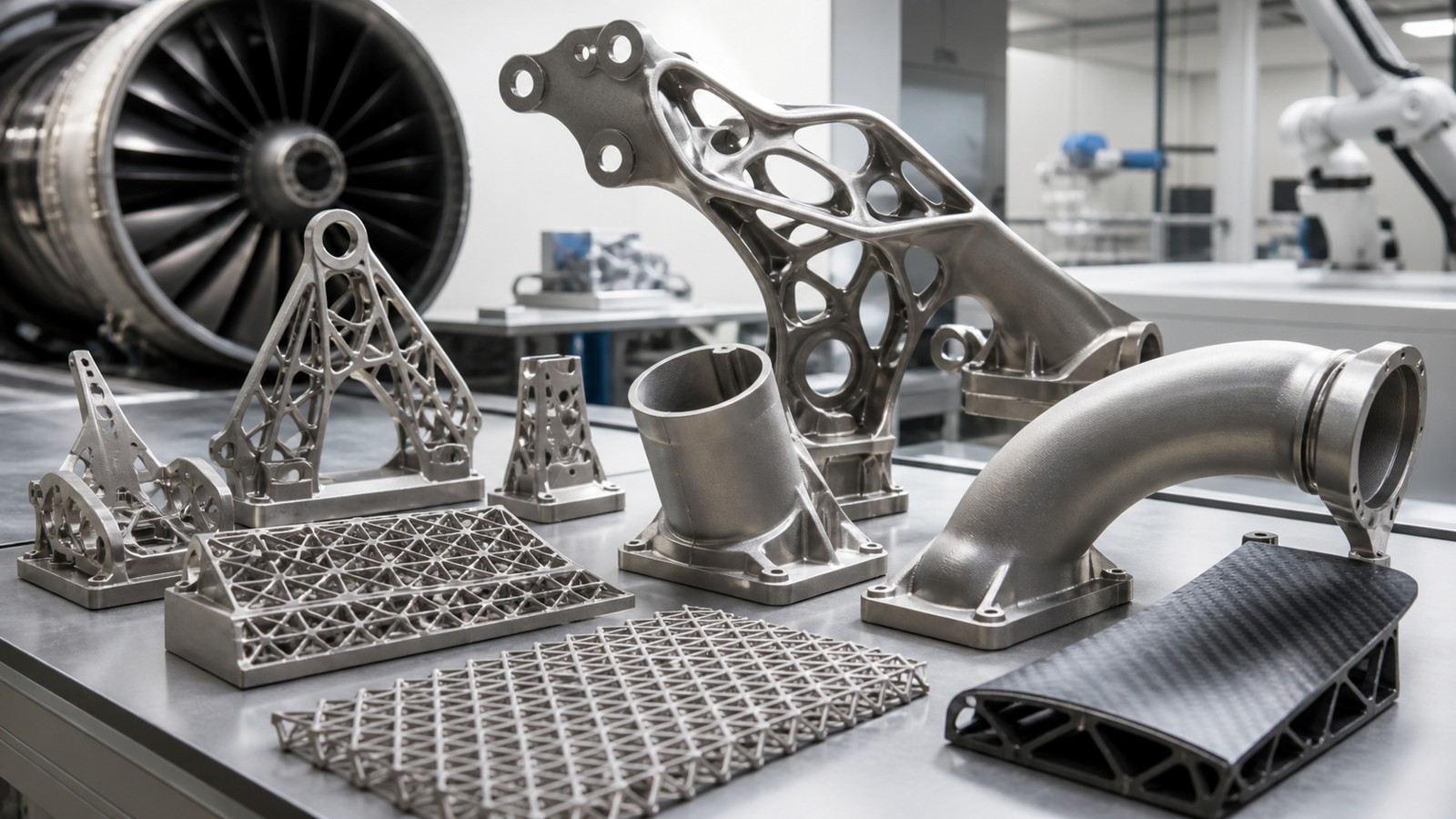
Additive processes can make geometry that is hard to cut, including built-up features, repairs, near-net-shape forms, and complex material placement. CNC machining can remove the roughness, hit tight tolerances, and create controlled mating surfaces.
Together, they can reduce setups, save material, repair expensive components, and create metal parts that neither process handles as well alone. Hybrid manufacturing is especially valuable when a part needs both complex build-up and precision finishing.
Common Applications
Hybrid manufacturing appears in tool and die repair, turbine and aerospace component repair, mold inserts, large metal components, conformal features, and high-value parts where replacing the whole component would be expensive.
It can also help with development work, where teams build near-net forms quickly and then machine only the surfaces that matter. That keeps precision where it counts without forcing every surface to be machined from a solid block.
Limits and Planning Issues
Hybrid manufacturing is more complex than ordinary printing or ordinary machining. It requires additive parameters, machining strategy, workholding, thermal planning, inspection, software coordination, and operators who understand both sides.
The process makes most sense when the combined route creates value. If a part is simple, CNC alone may be better. If a part does not need machined surfaces, additive alone may be enough.
FAQ
Is hybrid manufacturing one machine or a workflow?
It can be either. Some systems combine additive and CNC in one machine, while other workflows move parts between dedicated equipment.
What process is often used for metal hybrid manufacturing?
Directed energy deposition is common because it can add metal to existing parts and build near-net features.
Why machine a 3D printed part?
Machining improves critical tolerances, surface finish, holes, threads, bearing seats, and mating surfaces.