The Difference in One Sentence
SLA and DLP are both resin 3D printing processes, but SLA traditionally traces each layer with a laser while DLP projects a full layer image. Both can make accurate, smooth, detailed parts when the machine and resin are well matched.
A: Match the model, material, settings, and finish plan to the purpose of the print.
A: Bed leveling, surface cleanliness, nozzle height, temperature, and material condition are the usual suspects.
A: No. Slower speeds can improve detail, but heat buildup and profile balance still matter.
A: Use the right material, more walls, smart orientation, enough infill, and realistic load testing.
A: Temperature, retraction, travel moves, moisture, and material type all contribute.
A: Diagnose failed supports, suction marks, brittle parts, and uncured residue before buying parts.
A: Very important; it shows toolpaths, supports, layer changes, and possible weak spots before printing.
A: First layers, simple calibration prints, support cleanup, and basic material profiles.
A: Clean orientation, tuned settings, good material handling, and careful washing, curing, sanding, priming, and safe handling.
A: It is most useful for makers who want crisp detail and accept the messier workflow.
The Difference in One Sentence
SLA and DLP are both resin 3D printing processes, but SLA traditionally traces each layer with a laser while DLP projects a full layer image. Both can make accurate, smooth, detailed parts when the machine and resin are well matched.
The better technology depends on part size, detail, material, accuracy, speed, surface expectations, and workflow. It is not enough to compare only the process label.
Where SLA Wins
SLA can produce excellent surface quality and has a long professional history. Modern laser-based SLA systems are often chosen for accuracy, repeatability, material range, and refined workflows.
SLA may be a strong choice when the user values predictable professional materials, smooth surfaces, and established post-processing guidance more than raw layer exposure speed.
Where DLP Wins
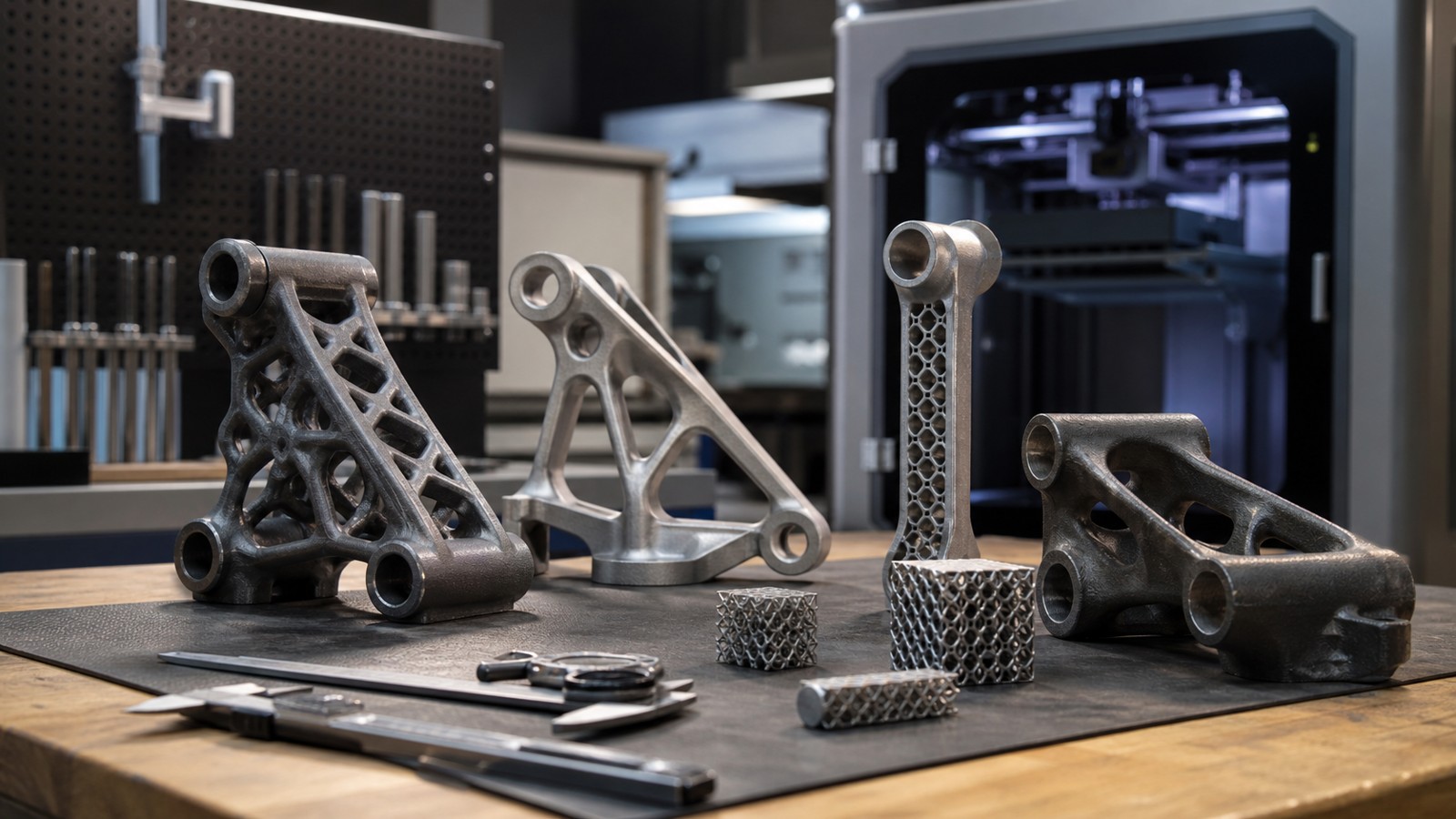
DLP can expose an entire layer at once, which can make it fast for many small parts or dense build plates. Industrial DLP systems such as 3D Systems Figure 4 show how projection-based resin printing can support rapid prototyping and low-volume production.
DLP can also offer crisp detail, but pixel size, optics, anti-aliasing, resin, and calibration decide how clean the result looks.
Accuracy, Detail, and Surface
SLA, DLP, and MSLA all rely on light control and resin behavior. Layer height, XY resolution, optical quality, exposure, peel forces, and support strategy all affect accuracy. A cheap DLP printer may not beat a good SLA printer, and a good DLP printer may outperform a weak SLA system.
For critical parts, compare sample prints in the same resin and finish rather than assuming the process name decides the winner.
Which One to Choose
Choose DLP when fast layer exposure, small detailed batches, or a specific machine ecosystem fits the work. Choose SLA when the printer, resin library, accuracy, and support workflow better match the part. For many buyers, the brand ecosystem and material documentation matter more than the acronym.
Both processes require resin safety: gloves, washing, curing, ventilation, and responsible waste handling.
FAQ
Is DLP better than SLA?
Sometimes, but not universally. DLP can be faster for full-layer exposure, while SLA may offer a different balance of accuracy, materials, and workflow.
Do SLA and DLP use the same resin?
Some resins may be process-specific. Always use resin compatible with the printer and exposure system.
Which is better for miniatures?
Either can work well. Compare actual printer resolution, resin, support workflow, and sample detail.