Innovation Worth Watching
The most important 3D printing innovations are the ones that make parts more useful: better quality control, stronger materials, lower failure rates, easier design tools, and smarter post-processing. Flashy demos matter less than dependable workflows.
A: Match the model, material, settings, and finish plan to the purpose of the print.
A: Bed leveling, surface cleanliness, nozzle height, temperature, and material condition are the usual suspects.
A: No. Slower speeds can improve detail, but heat buildup and profile balance still matter.
A: Use the right material, more walls, smart orientation, enough infill, and realistic load testing.
A: Temperature, retraction, travel moves, moisture, and material type all contribute.
A: Diagnose failed supports, suction marks, brittle parts, and uncured residue before buying parts.
A: Very important; it shows toolpaths, supports, layer changes, and possible weak spots before printing.
A: First layers, simple calibration prints, support cleanup, and basic material profiles.
A: Clean orientation, tuned settings, good material handling, and careful washing, curing, sanding, priming, and safe handling.
A: It is most useful for makers who want crisp detail and accept the messier workflow.
Innovation Worth Watching
The most important 3D printing innovations are the ones that make parts more useful: better quality control, stronger materials, lower failure rates, easier design tools, and smarter post-processing. Flashy demos matter less than dependable workflows.
Ten areas are worth watching: process monitoring, high-speed FDM, compact SLS, production resin, metal additive manufacturing, biofabrication, construction printing, recycling, digital inventory, and hybrid manufacturing.
Process Monitoring and Automation
Cameras, sensors, calibration routines, and software checks are making printers better at catching issues before a job is wasted. In industrial settings, monitoring helps connect process data to final part quality.
For everyday users, automation means fewer manual setup errors. For manufacturers, it means a stronger path toward repeatable production.
Materials and Production Workflows
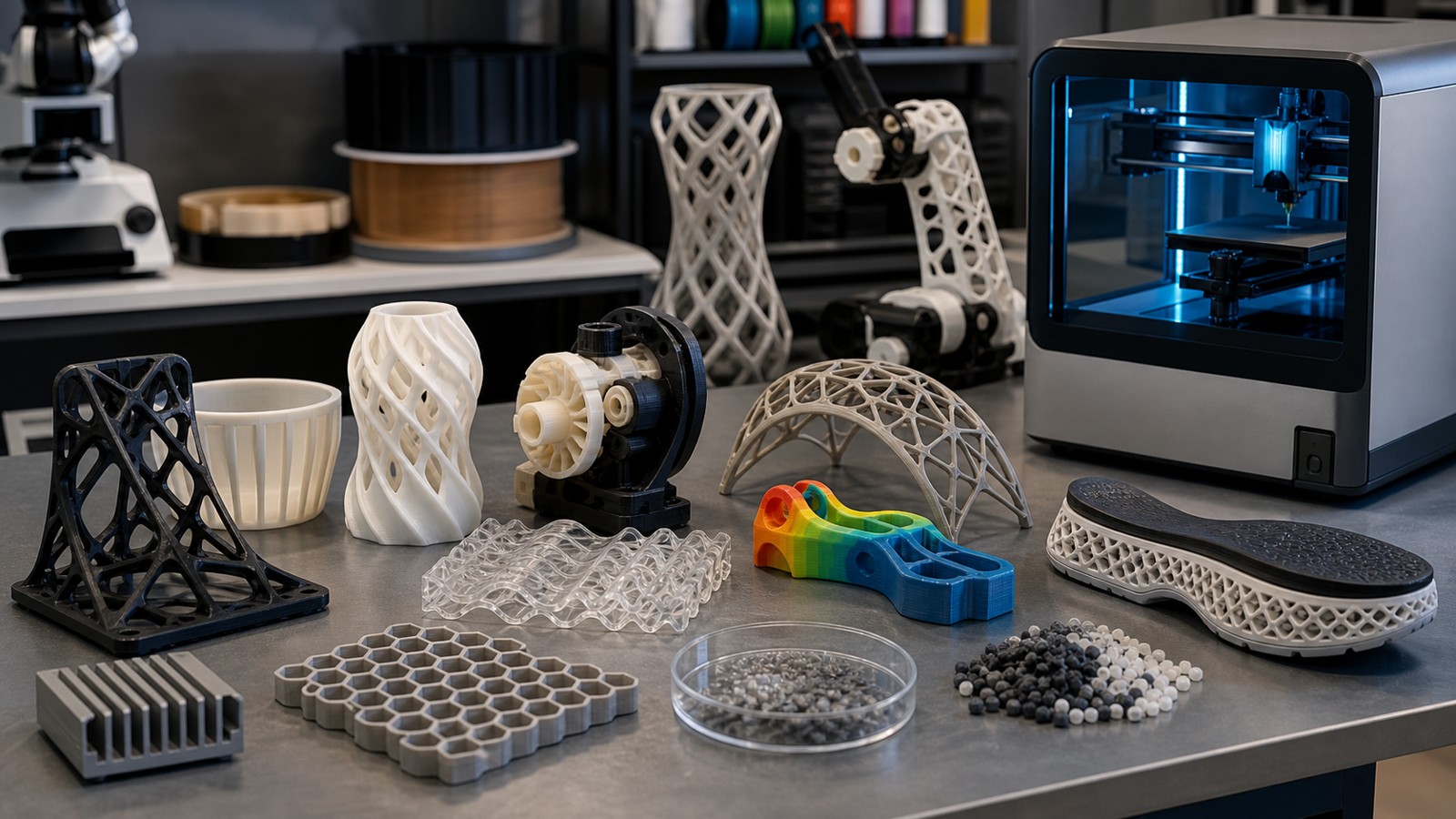
Material innovation is expanding what printed parts can survive: heat, impact, chemicals, flexing, sterilization, UV, and fatigue. Better data sheets and standards matter as much as the material names.
Production workflows are also improving through better nesting, curing, depowdering, finishing, inspection, and file traceability.
Medical, Aerospace, and Space Use
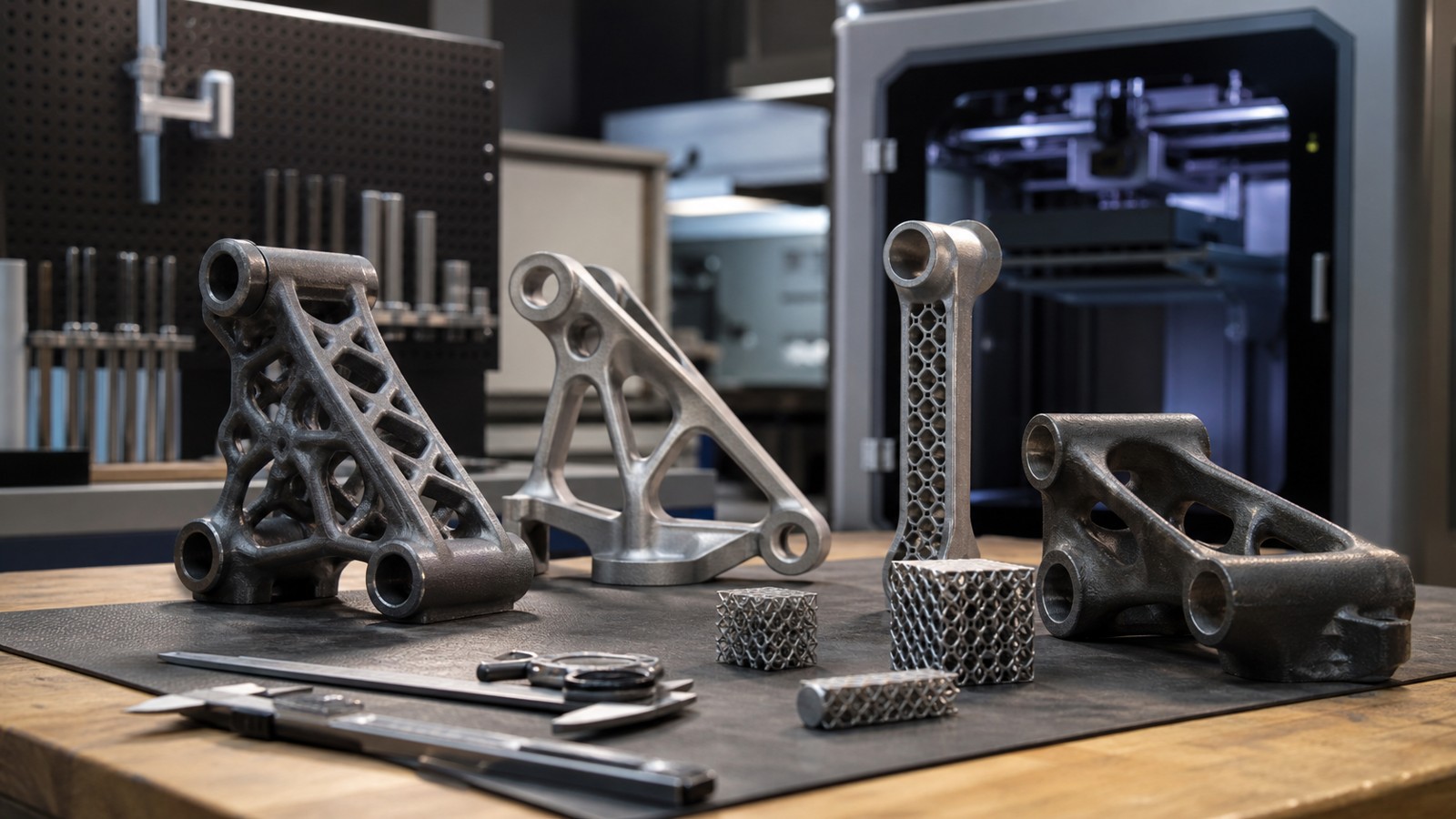
Medical and aerospace applications keep pushing additive manufacturing toward higher standards. Custom medical models, tooling, lightweight aerospace parts, and mission support all benefit from complex geometry and faster iteration.
NASA’s additive manufacturing work shows why printing can matter when mass, lead time, and part availability are constrained.
Digital Inventory and Local Manufacturing
Digital inventory means storing a qualified design file and producing the part near the point of need. This can help replacement parts, maintenance tools, and low-volume products, but only when materials, printers, and quality controls are defined.
The innovation is not only the printer. It is the system that proves the right part was made the right way.
FAQ
What 3D printing innovation matters most?
Process monitoring and better materials matter most because they improve reliability and real part performance.
Is high-speed printing a major innovation?
Yes, when speed does not sacrifice extrusion quality, cooling, or accuracy.
Why is digital inventory important?
It can reduce lead time for spare parts and custom tools when the file and process are properly controlled.