What FDM Means
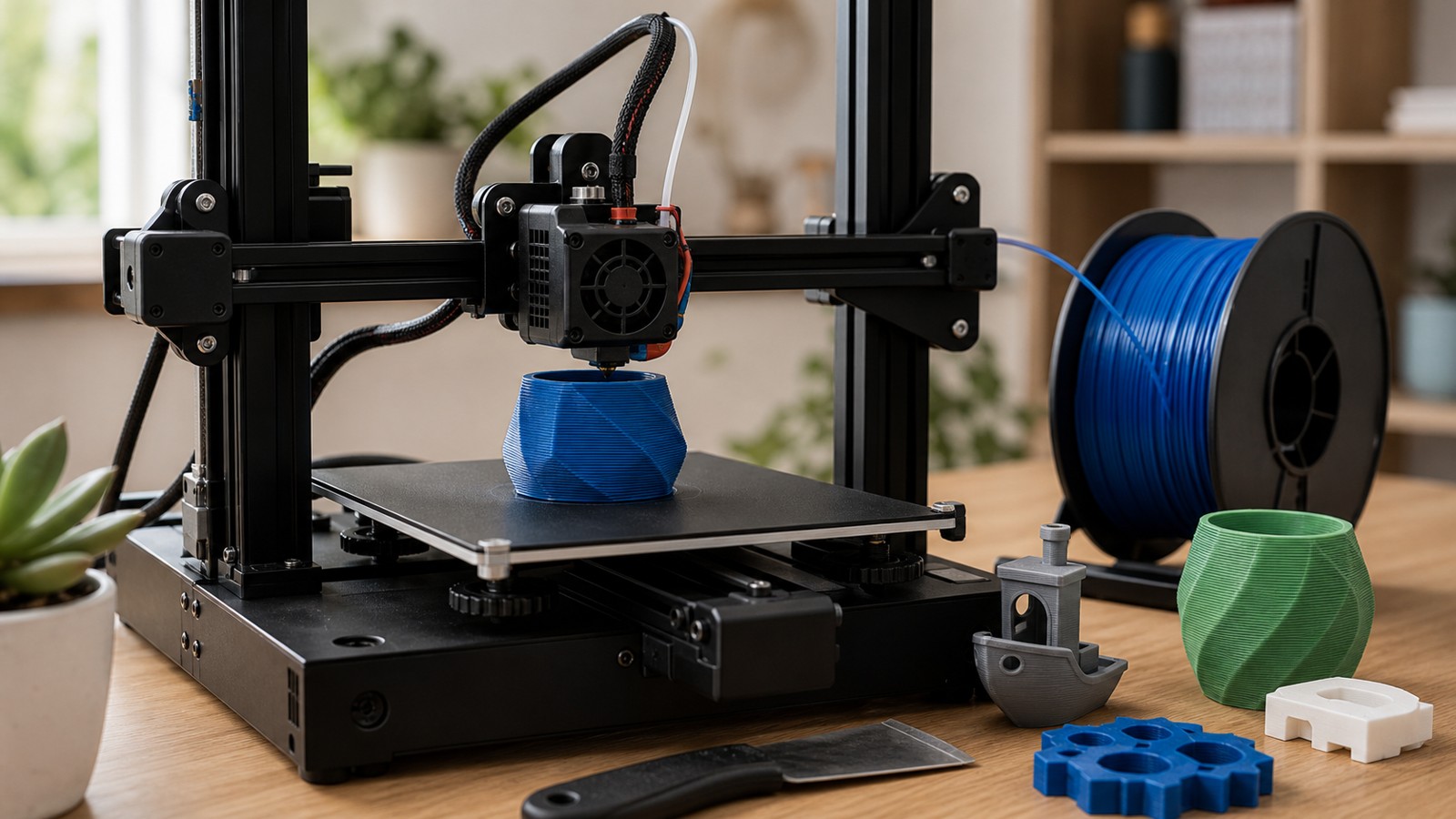
Fused deposition modeling is a material extrusion process that builds parts by pushing melted thermoplastic through a nozzle. The printer draws each layer on the build plate, then stacks the next layer on top until the object is complete.
A: Match the model, material, settings, and finish plan to the purpose of the print.
A: Bed leveling, surface cleanliness, nozzle height, temperature, and material condition are the usual suspects.
A: No. Slower speeds can improve detail, but heat buildup and profile balance still matter.
A: Use the right material, more walls, smart orientation, enough infill, and realistic load testing.
A: Temperature, retraction, travel moves, moisture, and material type all contribute.
A: Diagnose thin walls, unsupported features, tight fits, bad meshes, and weak load paths before buying parts.
A: Very important; it shows toolpaths, supports, layer changes, and possible weak spots before printing.
A: First layers, simple calibration prints, support cleanup, and basic material profiles.
A: Clean orientation, tuned settings, good material handling, and careful test fits, inserts, sanding, assembly, and revision notes.
A: It is most useful for makers designing parts that need to fit, move, or survive use.
What FDM Means
Fused deposition modeling is a material extrusion process that builds parts by pushing melted thermoplastic through a nozzle. The printer draws each layer on the build plate, then stacks the next layer on top until the object is complete.
Many open-source communities use the term FFF, or fused filament fabrication, for the same general process. For beginners, both terms usually refer to filament printing.
How an FDM Printer Works
The extruder feeds filament into the hotend, the nozzle melts and deposits the plastic, and the motion system moves in X, Y, and Z. The build plate holds the print while cooling fans, heaters, and firmware control the process.
The slicer creates the toolpath: walls, infill, supports, temperatures, speeds, and travel moves. A good slicer preview shows how the printer will build the part before any filament is used.
Best FDM Materials for Beginners
PLA is the easiest starter material. PETG adds toughness and better heat resistance. TPU makes flexible parts. ABS and ASA can handle more heat but need enclosure control and ventilation. Nylon is tough but absorbs moisture and needs drying.
Material choice changes the entire workflow. Bed surface, nozzle temperature, cooling, speed, and storage all depend on the filament.
Strength, Supports, and Surface Quality
FDM parts are stronger along some directions than others because they are built in layers. Orientation, wall count, infill, material, temperature, and fillets all affect strength. More infill is not always the best fix.
Supports help overhangs print, but they leave marks and add cleanup. Design changes such as chamfers, split parts, and better orientation can reduce support problems.
A Beginner FDM Workflow
Start with PLA, a clean bed, a reliable profile, and a small test print. Watch the first layer, inspect the slicer preview, and change one setting at a time. Keep notes for temperature, layer height, speed, and filament brand.
Once the printer is reliable, add skills gradually: PETG, supports, tolerance tests, inserts, flexible material, and stronger functional design.
FAQ
Is FDM good for beginners?
Yes. FDM is usually the easiest and cleanest starting point for general 3D printing.
What is the best FDM material for beginners?
PLA is the best first filament for most beginners.
Can FDM parts be strong?
Yes, when material, orientation, wall count, temperature, and design are chosen for the load.