What Binder Jetting Is
Binder jetting is an additive manufacturing process that bonds powder layer by layer using selectively deposited binder fluid. ExOne describes it as a powder-bed approach that works somewhat like inkjet printing, except the printed binder creates a three-dimensional object.
A: Match the model, material, settings, and finish plan to the purpose of the print.
A: Bed leveling, surface cleanliness, nozzle height, temperature, and material condition are the usual suspects.
A: No. Slower speeds can improve detail, but heat buildup and profile balance still matter.
A: Use the right material, more walls, smart orientation, enough infill, and realistic load testing.
A: Temperature, retraction, travel moves, moisture, and material type all contribute.
A: Diagnose poor first layers, weak parts, stringing, warping, and rough surfaces before buying parts.
A: Very important; it shows toolpaths, supports, layer changes, and possible weak spots before printing.
A: First layers, simple calibration prints, support cleanup, and basic material profiles.
A: Clean orientation, tuned settings, good material handling, and careful support removal, sanding, painting, fitting, and practical testing.
A: It is most useful for makers who want cleaner prints and fewer wasted attempts.
What Binder Jetting Is
Binder jetting is an additive manufacturing process that bonds powder layer by layer using selectively deposited binder fluid. ExOne describes it as a powder-bed approach that works somewhat like inkjet printing, except the printed binder creates a three-dimensional object.
The printed object is often called a green part before final processing. Depending on the material, it may need curing, depowdering, sintering, infiltration, or other finishing steps.
How Binder Jetting Works
A recoater spreads a layer of powder. Printheads deposit binder only where the part geometry belongs. The build platform lowers, another powder layer is spread, and the process repeats until the part is complete.
Because the powder bed supports the part, binder jetting can produce complex geometry without conventional support structures. The challenge is what happens after printing: the part must gain final strength through post-processing.
Materials and Applications
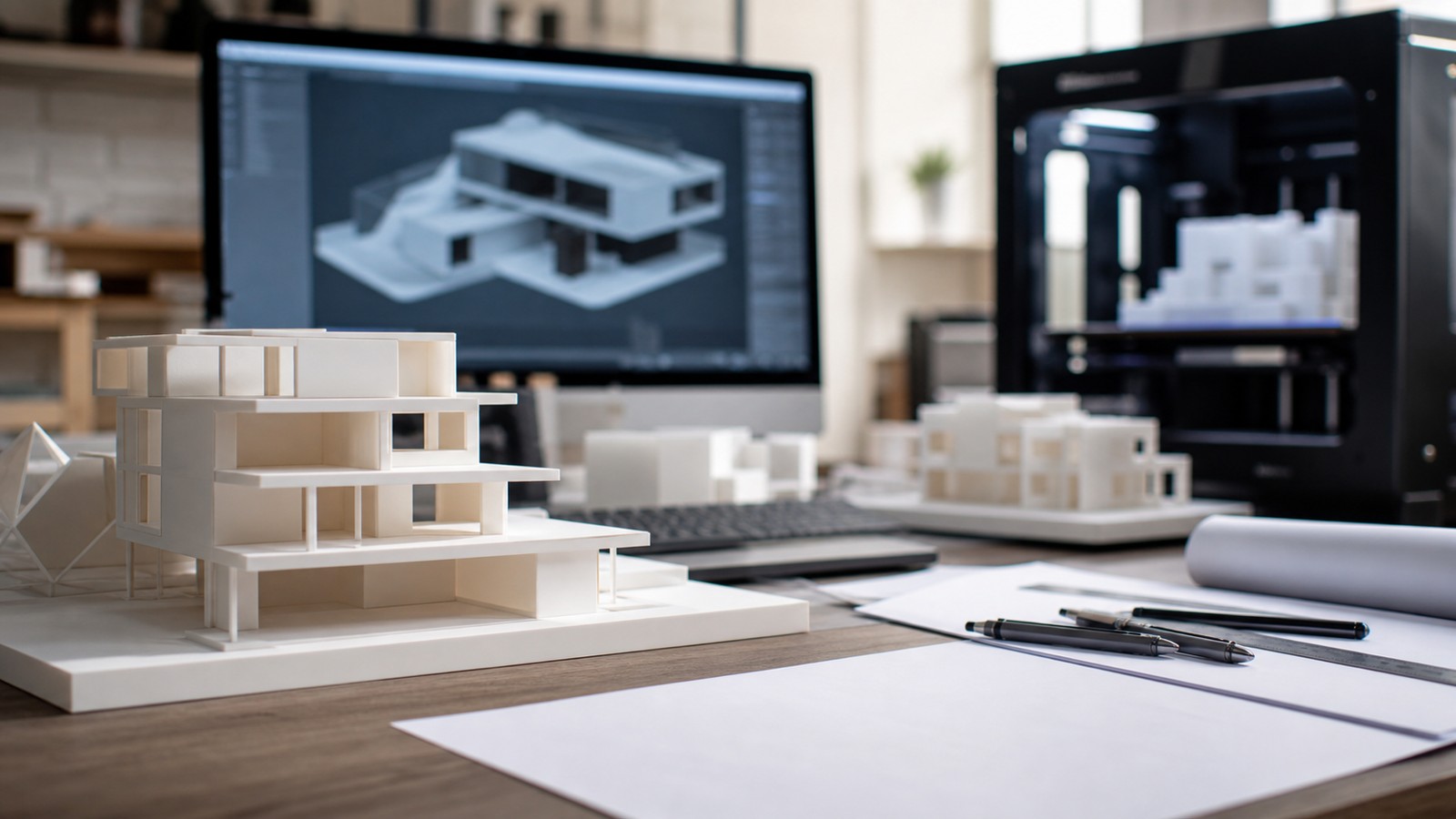
Binder jetting can work with sand, metals, ceramics, and some polymers depending on the system. ExOne highlights uses in sand casting, investment casting, technical ceramics, polymers, architecture, mockups, and industrial parts.
Sand binder jetting is valuable for foundry molds and cores. Metal binder jetting is valuable when high throughput and sintering-based production fit the part.
Strengths and Limits
Binder jetting can be fast because printheads cover wide areas, and it avoids thermal stress during the initial print because the powder is bonded rather than melted. It can also scale to large sand molds or batches of small metal parts.
The limits are green-part fragility, shrinkage during sintering, material qualification, surface finish, density, and post-processing complexity. The printed shape is only the middle of the workflow.
When to Choose Binder Jetting
Choose binder jetting for sand molds, cores, ceramics, high-throughput metal concepts, and powder-based parts where post-processing is already part of the plan. Avoid it when a fully strong part is needed directly from the printer with minimal finishing.
Binder jetting is a production method when the full print-and-sinter or print-and-cast workflow is controlled well.
FAQ
Does binder jetting melt powder?
Usually no. Binder jetting deposits binder into powder, then post-processing such as curing, sintering, or infiltration creates final properties.
What materials can binder jetting use?
Sand, metals, ceramics, and some polymers can be used depending on the machine.
Does binder jetting need supports?
Usually no conventional supports are needed because surrounding powder supports the part.