Safety Begins Before the First Print
3D printer safety is mostly about matching precautions to the machine and material. A small PLA printer, a resin printer, and a powder-bed system do not create the same hazards. Heat, moving parts, fumes, particles, resin chemistry, powder handling, and electrical maintenance all deserve attention.
A: Match the model, material, settings, and finish plan to the purpose of the print.
A: Bed leveling, surface cleanliness, nozzle height, temperature, and material condition are the usual suspects.
A: No. Slower speeds can improve detail, but heat buildup and profile balance still matter.
A: Use the right material, more walls, smart orientation, enough infill, and realistic load testing.
A: Temperature, retraction, travel moves, moisture, and material type all contribute.
A: Diagnose poor first layers, weak parts, stringing, warping, and rough surfaces before buying parts.
A: Very important; it shows toolpaths, supports, layer changes, and possible weak spots before printing.
A: First layers, simple calibration prints, support cleanup, and basic material profiles.
A: Clean orientation, tuned settings, good material handling, and careful support removal, sanding, painting, fitting, and practical testing.
A: It is most useful for makers who want cleaner prints and fewer wasted attempts.
Safety Begins Before the First Print
3D printer safety is mostly about matching precautions to the machine and material. A small PLA printer, a resin printer, and a powder-bed system do not create the same hazards. Heat, moving parts, fumes, particles, resin chemistry, powder handling, and electrical maintenance all deserve attention.
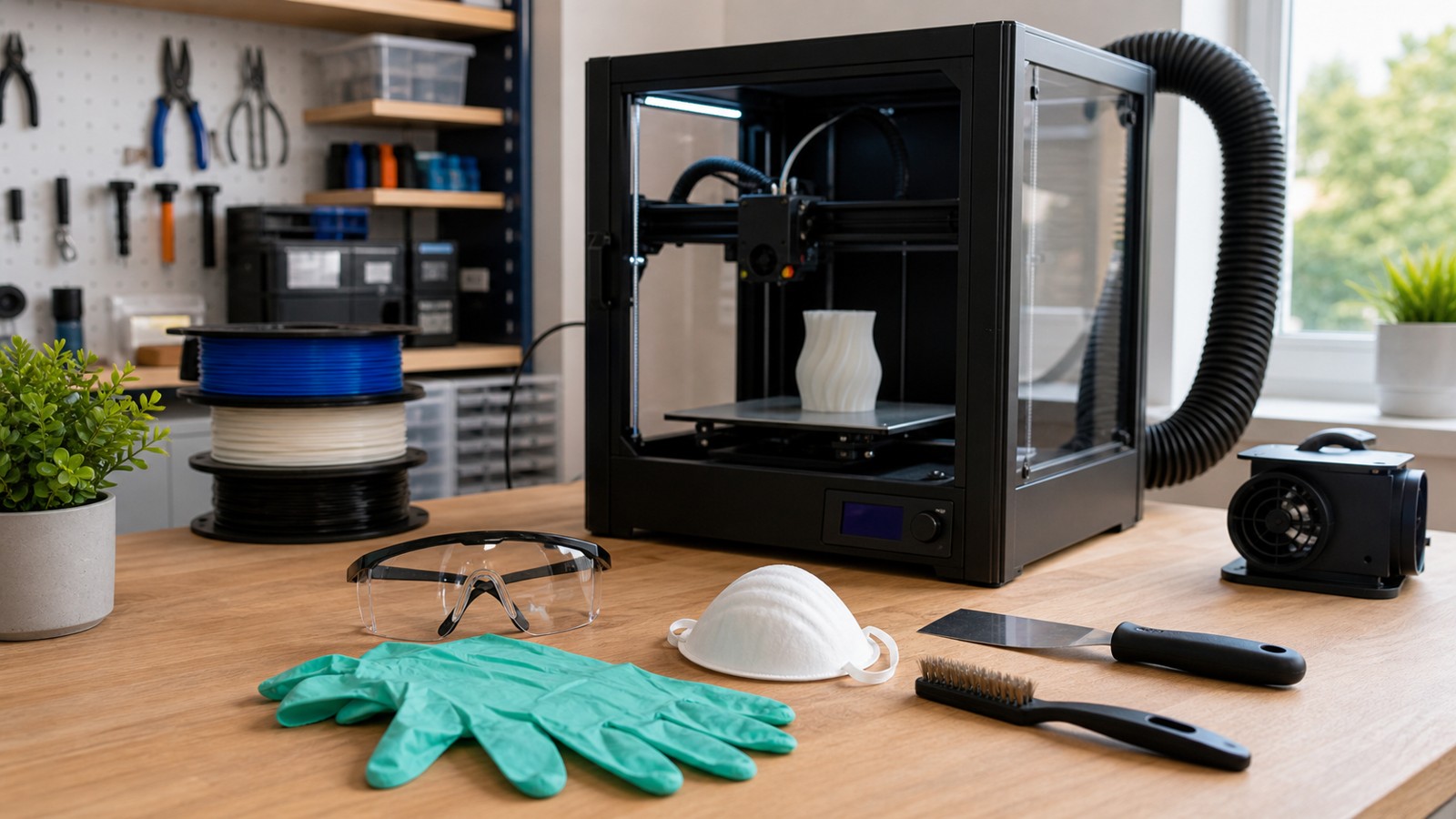
Beginners can stay safer by setting up the workspace before printing: stable table, ventilation, clean power, safe material storage, and enough room to work without touching hot or contaminated parts.
FDM Safety
FDM printers use hot nozzles, heated beds, moving axes, and thermoplastic filament. Keep hands away from the nozzle and bed, route cables safely, avoid unattended risky prints, and keep loose items away from belts and fans.
Ventilation matters, especially with ABS, ASA, nylon, and composite materials. PLA is easier, but printing still produces particles and odors that vary by material and temperature.
Resin Safety
Resin printing needs stricter handling. Wear nitrile gloves and eye protection, ventilate the area, avoid skin contact with uncured resin, and follow the resin maker’s instructions for washing, curing, spills, and disposal.
Keep resin away from children, pets, food areas, and sunlight. Used wash liquid, paper towels, supports, and failed prints must be handled as contaminated until fully cured and disposed of according to local rules.
Powder and Industrial Safety
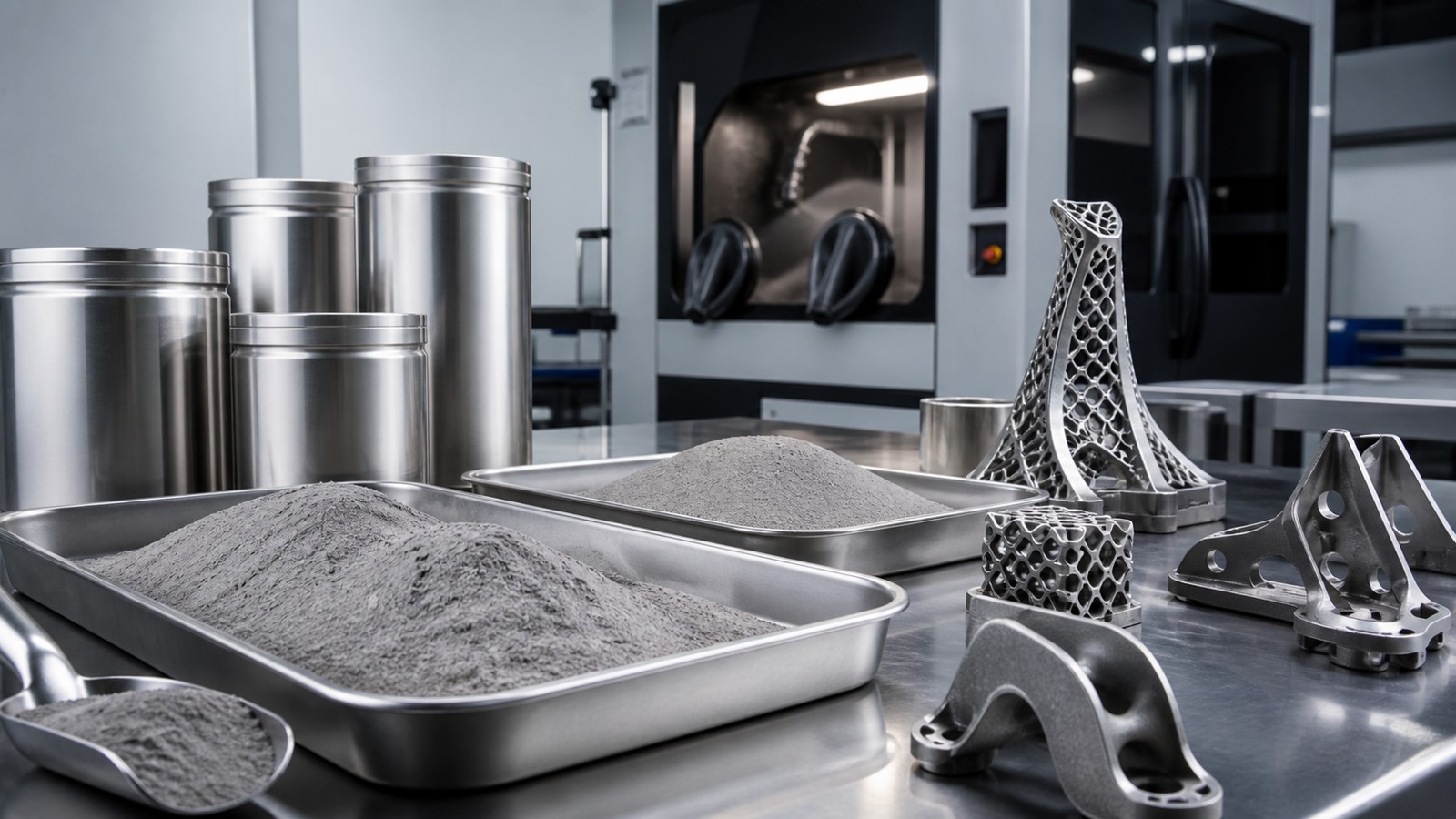
Powder-based systems add dust-control issues. Fine powder can spread during loading, breakout, depowdering, blasting, and cleanup. Use manufacturer guidance, local exhaust or containment where appropriate, and cleaning equipment suited to fine powder.
Metal powders can carry serious fire and explosion concerns. Polymer SLS powders are different, but still require housekeeping and material documentation.
Fire, Electrical, and Maintenance Habits
Use a printer on a stable nonflammable surface, inspect damaged wiring, avoid overloaded outlets, and keep firmware and thermal protection settings intact. Do not bypass safety features to save a few minutes.
Maintenance is safety too. Loose belts, clogged hotends, resin spills, powder buildup, and failing fans can turn into bigger problems if ignored.
Beginner Safety Checklist
Use ventilation, keep materials labeled, wear the right gloves or glasses for the material, let hot parts cool, clean spills quickly, and read safety data sheets for resins, powders, and specialty filaments.
The safest setup is boring and repeatable. A clean workspace, clear labels, and steady routines prevent more problems than last-minute improvising.
FAQ
Is it safe to use a 3D printer indoors?
It can be, but ventilation, material choice, and printer type matter. Resin, ABS, ASA, nylon, and powders need more care than basic PLA.
Do resin printers need gloves?
Yes. Wear nitrile gloves and eye protection when handling uncured resin or contaminated parts.
Can I leave a 3D printer running unattended?
Avoid leaving risky or unproven prints unattended. Use smoke alarms, good wiring, stable placement, and conservative settings.