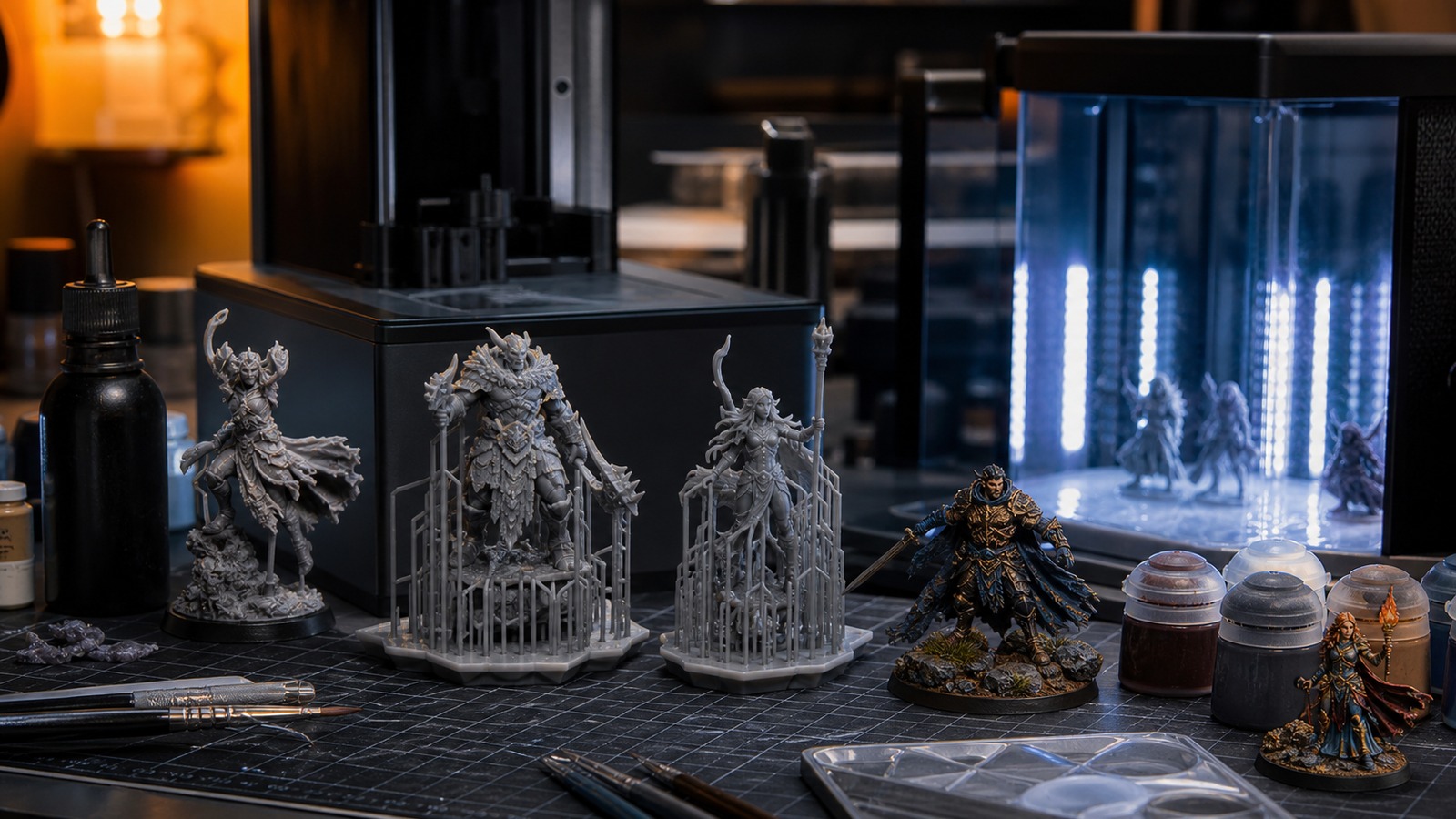
The Tiny World of 3D Printed Miniatures
3D printed miniatures are one of the most exciting projects you can create with a desktop 3D printer. They combine creativity, precision, storytelling, collecting, gaming, and hands-on making into one satisfying hobby. Whether you are building a tabletop army, decorating a shelf, creating gifts, or learning how to paint small details, miniatures are a perfect way to turn digital files into physical objects that feel personal and impressive. The best part is that you do not need to be an expert to get started. With today’s resin printers, FDM printers, and huge libraries of printable models, beginners can make incredible miniatures faster than ever. From fantasy heroes and dragons to tiny animals, robots, busts, terrain pieces, and collectible figurines, there are endless 3D printing miniature ideas ready to bring to life.
A: Match the model, material, settings, and finish plan to the purpose of the print.
A: Bed leveling, surface cleanliness, nozzle height, temperature, and material condition are the usual suspects.
A: No. Slower speeds can improve detail, but heat buildup and profile balance still matter.
A: Use the right material, more walls, smart orientation, enough infill, and realistic load testing.
A: Temperature, retraction, travel moves, moisture, and material type all contribute.
A: Diagnose visible layer lines, fragile details, support scars, and oversized assemblies before buying parts.
A: Very important; it shows toolpaths, supports, layer changes, and possible weak spots before printing.
A: First layers, simple calibration prints, support cleanup, and basic material profiles.
A: Clean orientation, tuned settings, good material handling, and careful sanding, filling, priming, painting, sealing, and display mounting.
A: It is most useful for makers building display pieces, props, miniatures, and gifts.
1. Fantasy Warrior Miniatures
Fantasy warriors are some of the most popular 3D printed miniatures because they instantly feel dramatic, useful, and collectible. A sword-wielding knight, armored barbarian, shield-bearing guardian, or battle-ready paladin can become the centerpiece of a tabletop game or the start of a display collection.
These miniatures are especially rewarding because armor plates, weapons, cloaks, and facial expressions give you plenty of detail to print and paint. Resin printers are ideal for capturing tiny textures, while larger FDM printers can still create bold display-sized versions.
2. Dragon Miniatures
Few 3D printed miniatures are more exciting than dragons. They are visually powerful, highly detailed, and perfect for fantasy displays, tabletop encounters, and dramatic painting projects. Wings, scales, claws, horns, and coiled tails make dragons a true test of printing quality. A small dragon can become a quick weekend project, while a large multi-part dragon can turn into a serious centerpiece. Beginners may want to start with a compact dragon bust or perched baby dragon before moving into massive winged creatures.
3. Tabletop RPG Heroes
Custom tabletop RPG heroes are perfect for players who want their character to feel unique. Instead of using a generic piece, you can print a miniature that matches your class, weapon, armor, pose, and personality.
These miniatures work well for Dungeons & Dragons, Pathfinder, and other roleplaying games. A custom ranger, wizard, rogue, cleric, or fighter can make every campaign feel more immersive, especially once painted in your character’s colors.
4. Monster Miniatures
Monster miniatures are ideal for game masters, collectors, and fantasy fans. Goblins, trolls, skeletons, zombies, demons, ogres, and beast-like creatures all make exciting prints because they are packed with personality. Monsters are also great for painting practice. Their rough skin, torn clothing, bones, teeth, scars, and strange textures give beginners a forgiving surface to experiment with washes, dry brushing, and highlights.
5. Sci-Fi Soldier Miniatures
Sci-fi soldiers are excellent for makers who love futuristic armor, space battles, tactical games, and high-tech details. Helmets, rifles, mechanical suits, visors, and armor panels create a sharp, modern miniature style.
These prints look amazing in resin because small mechanical lines and surface details remain crisp. You can paint them in sleek metallic tones, battle-worn weathering, or bold faction colors for a more dramatic look.
6. Robot Figurines
Robot miniatures are fun because they can be cute, intimidating, industrial, retro, or futuristic. From tiny helper bots to heavily armored mech-style figures, robots offer a huge range of creative possibilities. They are also excellent for beginners because mechanical surfaces are often easier to paint than organic skin or faces. Clean panels, glowing details, cables, joints, and metallic effects make robot figurines look impressive with relatively simple finishing techniques.
7. Miniature Animals
Miniature animals are charming, versatile, and perfect for display, education, dioramas, and gifts. Cats, dogs, foxes, owls, bears, wolves, horses, turtles, and woodland creatures all make excellent 3D printing projects.
Animal miniatures can be realistic, stylized, cartoon-like, or fantasy-inspired. They are also great for testing scale, texture, and paint effects such as fur, feathers, shells, and natural color gradients.
8. Mythical Creature Miniatures
Mythical creatures give your 3D printer a chance to make something magical. Unicorns, griffins, phoenixes, mermaids, centaurs, krakens, and chimera-style monsters all offer bold silhouettes and imaginative details. These prints are perfect for fantasy displays and themed collections. Because mythical creatures often include wings, horns, flowing hair, scales, or hybrid anatomy, they can become beautiful showpieces once painted.
9. Miniature Busts
Miniature busts are a fantastic choice for learning detail painting without printing an entire figure. A bust focuses on the head, shoulders, armor, expression, and character design, making it ideal for display.
Busts are often easier to handle than full miniatures because they are larger and less fragile. They allow you to practice skin tones, eyes, hair, armor, cloth, and lighting effects in a more controlled format.
10. Chibi Figurines
Chibi figurines are cute, stylized, and highly collectible. Their oversized heads, simplified features, and expressive poses make them popular for beginners and fans of playful miniature design. These figures are often easier to print than ultra-realistic characters because they have fewer thin details. They also paint quickly and look great in bright colors, making them perfect for gifts, desk decor, and display shelves.
11. Miniature Terrain Pieces
Miniature terrain pieces are essential for tabletop gaming and diorama building. Crates, barrels, bridges, ruins, rocks, fences, market stalls, doors, and dungeon walls can transform a simple game board into a believable world.
Terrain is especially beginner-friendly because it does not always require perfect detail. Even small imperfections can add realism, making stone walls, broken wood, and ancient ruins feel more natural.
12. Tiny Buildings
Tiny buildings are amazing for fantasy towns, sci-fi colonies, model railroads, and display scenes. Small houses, towers, castles, cabins, shops, temples, and futuristic structures can become the foundation of an entire miniature world. Buildings are also excellent for FDM printers because many designs have larger surfaces and fewer ultra-fine organic details. With painting, weathering, and dry brushing, even simple prints can look rich and atmospheric.
13. Dungeon Props
Dungeon props are small but powerful additions to tabletop scenes. Treasure chests, spell books, torches, traps, altars, skeleton piles, weapon racks, and magic portals add storytelling detail to any game.
These props print quickly and are perfect batch projects. You can fill a build plate with tiny accessories and create an entire collection in one session, making them ideal for makers who want fast, satisfying results.
14. Miniature Vehicles
Miniature vehicles are exciting for sci-fi, modern, fantasy, and historical projects. Tiny tanks, hover bikes, wagons, carts, spaceships, boats, and armored transports all make strong display pieces. Vehicles often have bold shapes and layered details that look great after painting. Weathering effects such as scratches, dust, rust, burn marks, and chipped paint can make them feel used, realistic, and story-driven.
15. Character Figurines
Character figurines are perfect when you want something more display-focused than game-focused. These can include stylized adventurers, original characters, mascots, sculpted personalities, or themed collectibles.
Unlike gaming miniatures, figurines do not always need strict scale or base size. That gives you more freedom to print them larger, add scenic bases, and focus on visual impact.
16. Miniature Pets
Miniature pets make thoughtful gifts and fun personal projects. A tiny dog, cat, rabbit, bird, or lizard can become a desk ornament, memorial keepsake, or playful addition to a diorama. For an extra creative project, some makers use sculpting tools or custom design services to create figurines based on real pets. Even a simple stylized version can feel meaningful when posed and painted with care.
17. Historical Miniatures
Historical miniatures are ideal for education, collecting, and strategy gaming. Knights, soldiers, explorers, ancient warriors, villagers, and historical leaders can help bring different time periods to life.
These prints often include armor, weapons, clothing folds, helmets, shields, and period-specific accessories. They are excellent for painters who enjoy research, realistic color palettes, and historically inspired scenes.
18. Superhero-Style Figurines
Superhero-style figurines are bold, dynamic, and full of energy. Capes, action poses, masks, armor, and dramatic bases make these miniatures exciting to print and display. To avoid copyright issues, many makers focus on original superhero-inspired characters rather than copying protected designs. This opens the door to custom powers, unique costumes, and creative worldbuilding.
19. Miniature Wizards and Spellcasters
Wizards, sorcerers, witches, and spellcasters are fantastic miniature subjects because they naturally include dramatic poses and magical effects. Robes, staffs, spell books, floating crystals, and energy swirls can make even a tiny model feel powerful.
These miniatures are especially fun to paint because you can experiment with glowing effects, colorful robes, gemstone details, and magical bases. They are perfect for fantasy games and display collections.
20. Tiny Display Statues
Tiny display statues are made to look beautiful on a shelf, desk, or display case. They may be inspired by classical sculpture, fantasy art, abstract figures, animals, or decorative collectibles. Because they are not always intended for gaming, you can scale them up or down as needed. A small statue can be printed quickly, while a larger version can become a premium centerpiece.
21. Miniature Diorama Scenes
Diorama scenes combine miniatures, terrain, props, and storytelling into one compact display. A warrior facing a dragon, a robot in a ruined city, a wizard in a library, or a tiny animal in a forest scene can become a complete visual story.
Dioramas are rewarding because every part contributes to the atmosphere. The miniature is the star, but the base, scenery, colors, and composition make the final project feel professional.
22. Cute Desk Miniatures
Cute desk miniatures are quick, simple, and highly shareable. Tiny dragons, frogs, mushrooms, ghosts, robots, cats, and fantasy creatures make excellent small prints that brighten a workspace. These designs are great for beginners because they often require fewer supports and less complicated painting. They also make excellent gifts, craft fair items, and first projects for new makers.
23. Miniature Weapons and Accessories
Miniature weapons and accessories can be printed as standalone props or used to customize other figures. Swords, shields, staffs, helmets, backpacks, spell effects, crates, and armor pieces all add personality to your projects.
This is also a great way to practice kitbashing. By mixing accessories from different files, you can create unique miniatures that feel custom without sculpting a full model from scratch.
24. Miniature Board Game Upgrades
Board game upgrades are some of the most practical miniature prints you can make. Token replacements, character figures, resource pieces, buildings, markers, and custom organizers can make games feel more premium and immersive. When printing board game miniatures, scale and usability matter. Pieces should be easy to handle, durable enough for repeated play, and visually clear on the table.
25. Custom Original Miniatures
The most exciting miniature you can make is one that comes from your own imagination. Custom original miniatures allow you to design a hero, creature, robot, mascot, pet, villain, or display figure that no one else has.
Beginners can start by modifying existing models, combining parts, changing scale, or adding accessories. As your confidence grows, you can explore sculpting software and create fully original 3D printable figurines from scratch.
How to Choose Your First Miniature Project
If you are new to 3D printed miniatures, choose a model with clear shapes, a strong pose, and moderate detail. Avoid extremely thin swords, fragile fingers, tiny wings, or complex multi-part models for your very first print. A good beginner miniature should be exciting but manageable. Small monsters, chibi figures, busts, simple warriors, animals, and terrain pieces are excellent starting points because they teach printing, support removal, cleaning, curing, and painting without overwhelming you.
Best Printer Type for Miniatures
Resin printers are generally the best choice for high-detail miniatures because they can capture small features, smooth surfaces, facial details, armor lines, and tiny textures. If your goal is tabletop figures, collectible figurines, or display-quality minis, resin is usually the strongest option.
FDM printers can still be useful for larger miniatures, terrain, buildings, vehicles, bases, and display pieces. Many makers use both: resin for characters and FDM for bigger scenery. This combination gives you flexibility while keeping costs manageable.
Tips for Better Miniature Prints
Miniature printing rewards patience. Good orientation, proper supports, clean resin, correct exposure, and careful post-processing can dramatically improve your results. A beautiful file can still fail if it is printed flat, under-supported, or cured incorrectly. The best approach is to test, learn, and improve with every print. Start small, keep notes on your settings, and make adjustments one change at a time. Over time, your miniatures will become sharper, cleaner, stronger, and more display-worthy.
Painting Your 3D Printed Miniatures
Painting is where your miniatures truly come alive. Even a simple primer, base coat, wash, and highlight can transform a plain resin print into a dramatic character or collectible figure.
Beginners should focus on clean color placement and contrast before advanced effects. Once you are comfortable, you can experiment with dry brushing, edge highlights, glazing, metallics, weathering, and glow effects. The more you paint, the more personality each miniature gains.
Final Thoughts
3D printed miniatures are one of the most rewarding projects in the maker world because they turn imagination into something you can hold, paint, display, and share. Whether you start with a tiny dragon, fantasy hero, robot, animal, or dungeon prop, each print teaches you new skills. The best miniature project is the one that excites you enough to start today. Pick a design, prepare your printer, take your time, and enjoy the process. Before long, your shelf, game table, or workspace will be filled with tiny creations that feel big on creativity.
Research-Backed Context
A strong 3D printing article connects the idea to a specific part, material, printer, file, and workflow. That keeps the topic useful instead of sounding like a broad description of additive manufacturing.
Practical Decision Checks
- Define the part or outcome before choosing a printer, material, or setting.
- Use a small test print to check scale, tolerance, strength, surface finish, and orientation.
- Compare the whole workflow: design, slicing, printing, cleanup, finishing, inspection, and repeatability.
- Record successful settings so the next version improves for a clear reason.
FAQ
What makes a 3D print successful?
A successful print fits its intended use, not just the build plate. Size, strength, finish, safety, cost, and repeatability all matter.
What should beginners test first?
Beginners should test bed adhesion, scale, tolerances, material behavior, and support removal before printing large or expensive parts.
How do I choose between methods?
Start with the part’s hardest requirement, then compare process, material, accuracy, finish, time, and post-processing.
Sources and Further Reading
These references support the technical terms, material guidance, process limits, and decision criteria used in this article.