The Rise of 3D Printing Startups
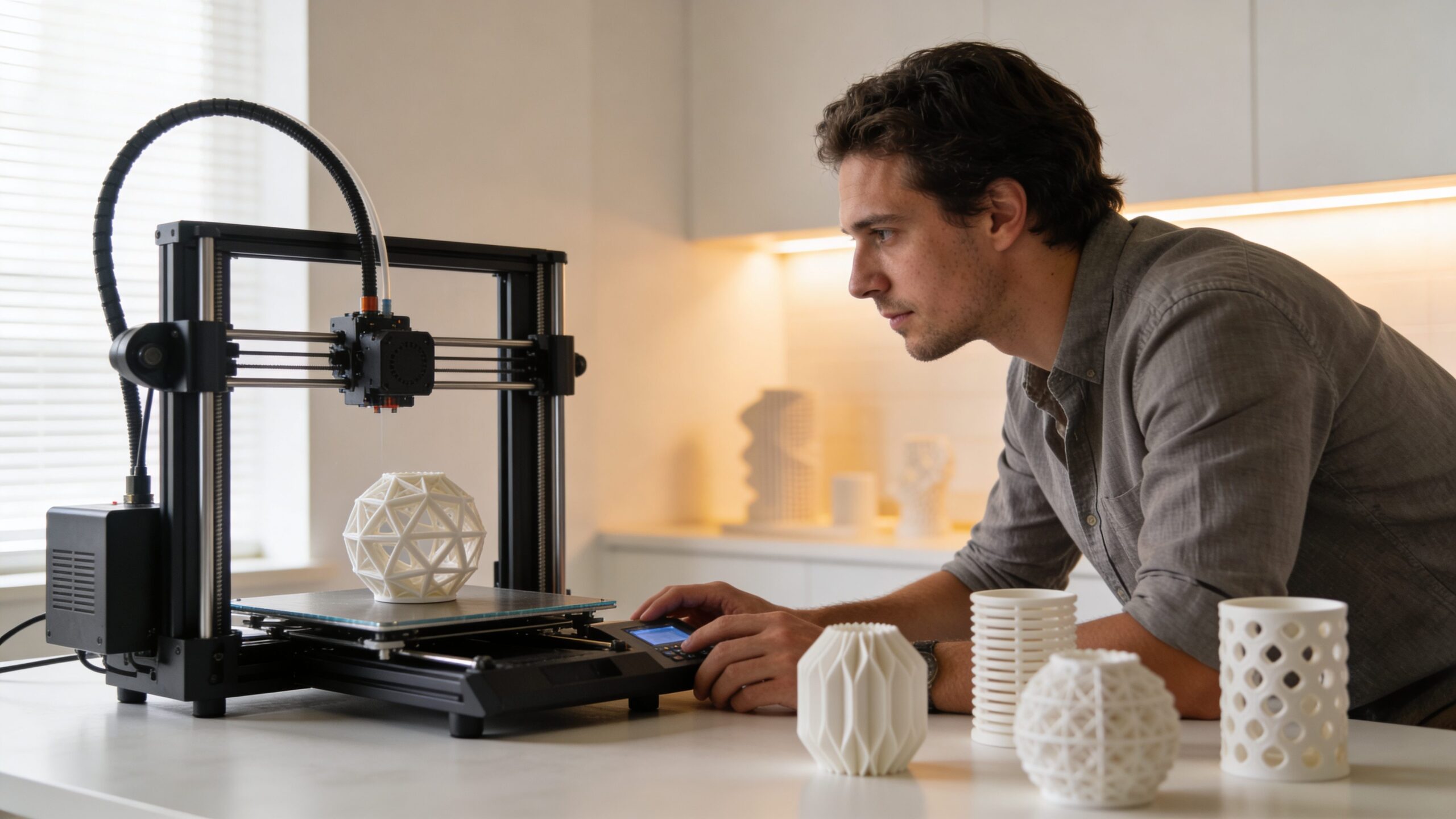
3D printing has evolved from a niche hobby into a powerful business tool that is reshaping industries across the globe. Entrepreneurs are now leveraging additive manufacturing to create products faster, cheaper, and more customized than ever before. The barriers to entry have dropped significantly, making it possible to launch a startup from a home office or small workshop. What makes 3D printing especially exciting is its versatility. From consumer goods to industrial components, the technology opens doors to countless business models. Whether you’re looking for a side hustle or aiming to build a scalable company, the opportunities are both diverse and profitable.
A: Match the model, material, settings, and finish plan to the purpose of the print.
A: Bed leveling, surface cleanliness, nozzle height, temperature, and material condition are the usual suspects.
A: No. Slower speeds can improve detail, but heat buildup and profile balance still matter.
A: Use the right material, more walls, smart orientation, enough infill, and realistic load testing.
A: Temperature, retraction, travel moves, moisture, and material type all contribute.
A: Diagnose visible layer lines, fragile details, support scars, and oversized assemblies before buying parts.
A: Very important; it shows toolpaths, supports, layer changes, and possible weak spots before printing.
A: First layers, simple calibration prints, support cleanup, and basic material profiles.
A: Clean orientation, tuned settings, good material handling, and careful sanding, filling, priming, painting, sealing, and display mounting.
A: It is most useful for makers building display pieces, props, miniatures, and gifts.
Why 3D Printing Is a High-Growth Opportunity
The global demand for customized, on-demand manufacturing is growing rapidly, and 3D printing sits at the center of this transformation. Businesses are seeking faster prototyping, reduced waste, and localized production, all of which are strengths of additive manufacturing. This shift is creating a fertile environment for startups to thrive.
In addition, advancements in materials, software, and printer capabilities have expanded what’s possible. Entrepreneurs can now produce high-quality items that rival traditional manufacturing, giving startups a competitive edge in both niche and mainstream markets.
1–5: Consumer-Focused Product Startups
Some of the most accessible 3D printing businesses revolve around consumer products. Personalized gifts, custom phone accessories, and home decor items are in constant demand. These products are ideal for online marketplaces where customization can command premium pricing. Another strong opportunity lies in niche communities. From cosplay props to collectible figurines, enthusiasts are willing to pay for unique, high-quality items. By targeting specific audiences, startups can build loyal customer bases and consistent revenue streams.
6–10: Practical Everyday Solutions
Practical products solve real problems and often generate repeat business. Replacement parts for household items, custom organizers, and tool accessories are examples of products that customers actively search for. These solutions can be marketed as cost-effective alternatives to buying entirely new items.
This category also benefits from scalability. Once a design is created, it can be reproduced endlessly with minimal additional cost. This allows startups to focus on optimizing production and expanding product lines rather than constantly developing new concepts.
11–15: Professional and B2B Services
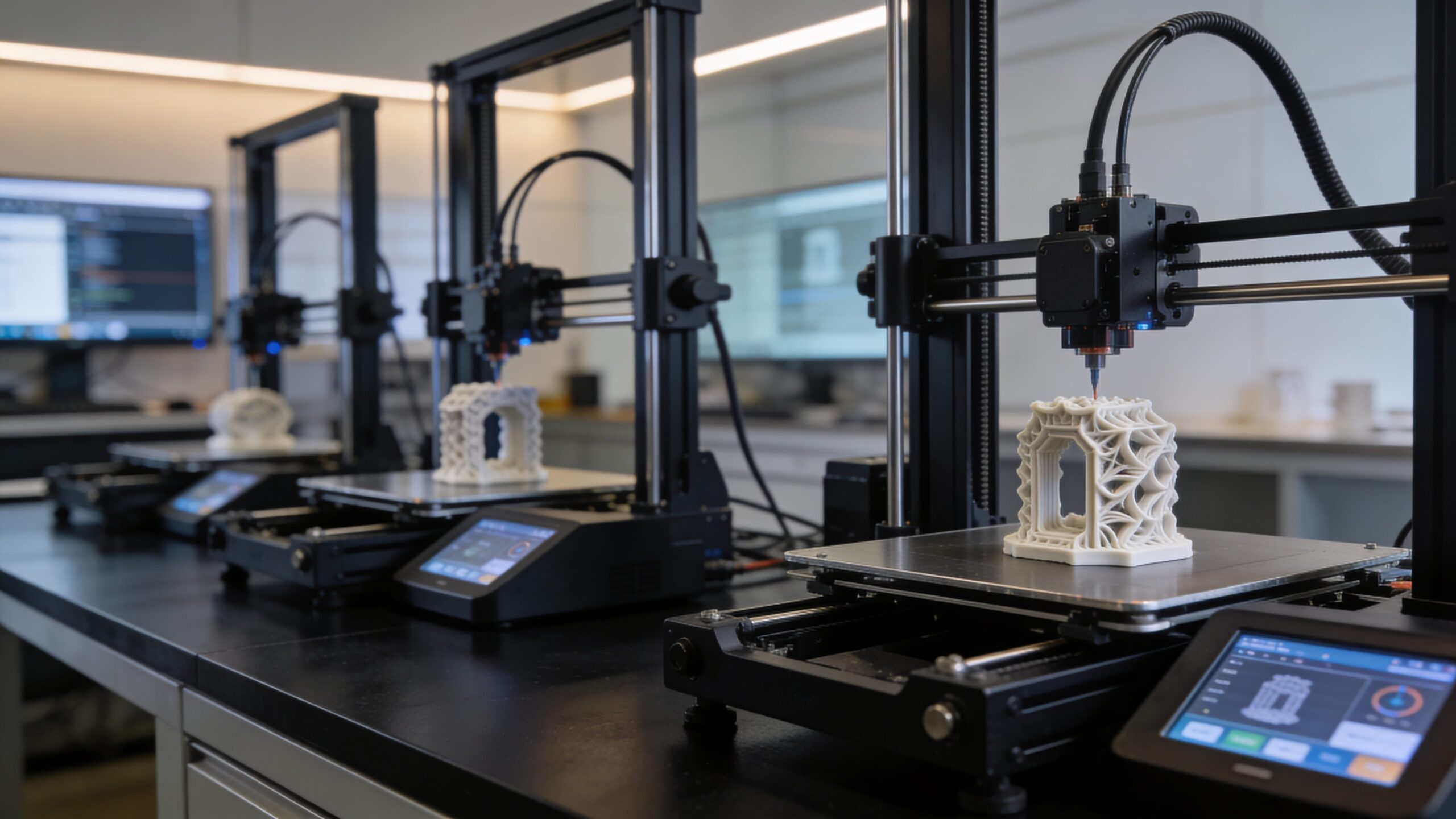
Businesses are increasingly turning to 3D printing for prototyping and small-batch manufacturing. Offering rapid prototyping services can be highly profitable, especially when working with engineers, designers, and startups that need quick turnaround times. Another promising avenue is producing custom tools and fixtures for industrial clients. These specialized products often have higher margins and less competition, making them an attractive option for startups looking to scale beyond consumer markets.
16–20: Creative and Artistic Ventures
Artistic applications of 3D printing are gaining traction as technology enables intricate and unique designs. Jewelry, sculptures, and wearable art pieces are becoming popular among consumers who value originality. These products can be positioned as premium, handcrafted alternatives.
The creative sector also allows for strong branding. By combining design skills with storytelling, startups can differentiate themselves and build a recognizable identity. This emotional connection often translates into higher perceived value and customer loyalty.
21–25: Emerging and High-Tech Opportunities
As technology advances, new markets are opening for innovative startups. Medical applications such as custom prosthetics and dental models are becoming more accessible, offering both social impact and strong profitability. Similarly, industries like aerospace and automotive are embracing 3D printing for lightweight, high-performance components. Another emerging opportunity is sustainable manufacturing. Startups focusing on eco-friendly materials and waste reduction are attracting attention from both consumers and investors. These ventures align with global trends and position themselves for long-term growth.
Turning Ideas Into a Profitable Business
Success in the 3D printing space requires more than just technology—it demands strategy. Identifying a clear niche, understanding customer needs, and delivering consistent quality are critical factors. Entrepreneurs should also focus on building efficient workflows to maximize production and minimize costs.
Marketing plays a key role as well. A strong online presence, combined with targeted advertising and social proof, can significantly boost visibility. By positioning your startup as both innovative and reliable, you can stand out in a competitive market.
Scaling Your 3D Printing Startup
Once a business gains traction, scaling becomes the next challenge. Expanding production capacity through additional printers or outsourcing can help meet growing demand. Automation and workflow optimization are also essential for maintaining efficiency as operations grow. Diversification is another powerful strategy. By expanding into new product lines or services, startups can reduce risk and increase revenue streams. The flexibility of 3D printing makes it easier to pivot and adapt to changing market conditions.
The Future of 3D Printing Startups
The future of 3D printing is incredibly promising, with innovations continuing to push the boundaries of what’s possible. From advanced materials to AI-driven design, the technology is evolving at a rapid pace. Startups that stay ahead of these trends will be well-positioned to capitalize on new opportunities.
Ultimately, 3D printing is not just a tool—it’s a gateway to innovation. Entrepreneurs who embrace its potential can build businesses that are not only profitable but also transformative. The time to start is now.
Research-Backed Context
A 3D printing business or supply-chain article is strongest when it treats printing as an operation. Demand, quoting, machine time, failed builds, finishing labor, packaging, customer communication, and repeat orders decide whether the idea works.
Practical Decision Checks
- Start with a niche where customers already need replacement parts, prototypes, props, tools, fixtures, or customized objects.
- Price jobs with material, machine time, design time, failures, finishing, packaging, platform fees, and support included.
- Use a small catalog of repeatable products before accepting every custom request.
- Track failure rates and turnaround time so pricing reflects real production effort.
FAQ
Can a small 3D printing business make money?
Yes, but profit usually comes from repeatable niches, clear pricing, reliable fulfillment, and customers who value customization or speed.
What should beginners avoid selling first?
Avoid complex safety-critical parts, copyrighted models, and one-off jobs that require unpaid design time or uncertain print settings.
What makes supply-chain printing useful?
It helps when local production, spare parts, tooling, or bridge manufacturing reduces delay, inventory pressure, or downtime.
Sources and Further Reading
These references support the technical terms, material guidance, process limits, and decision criteria used in this article.