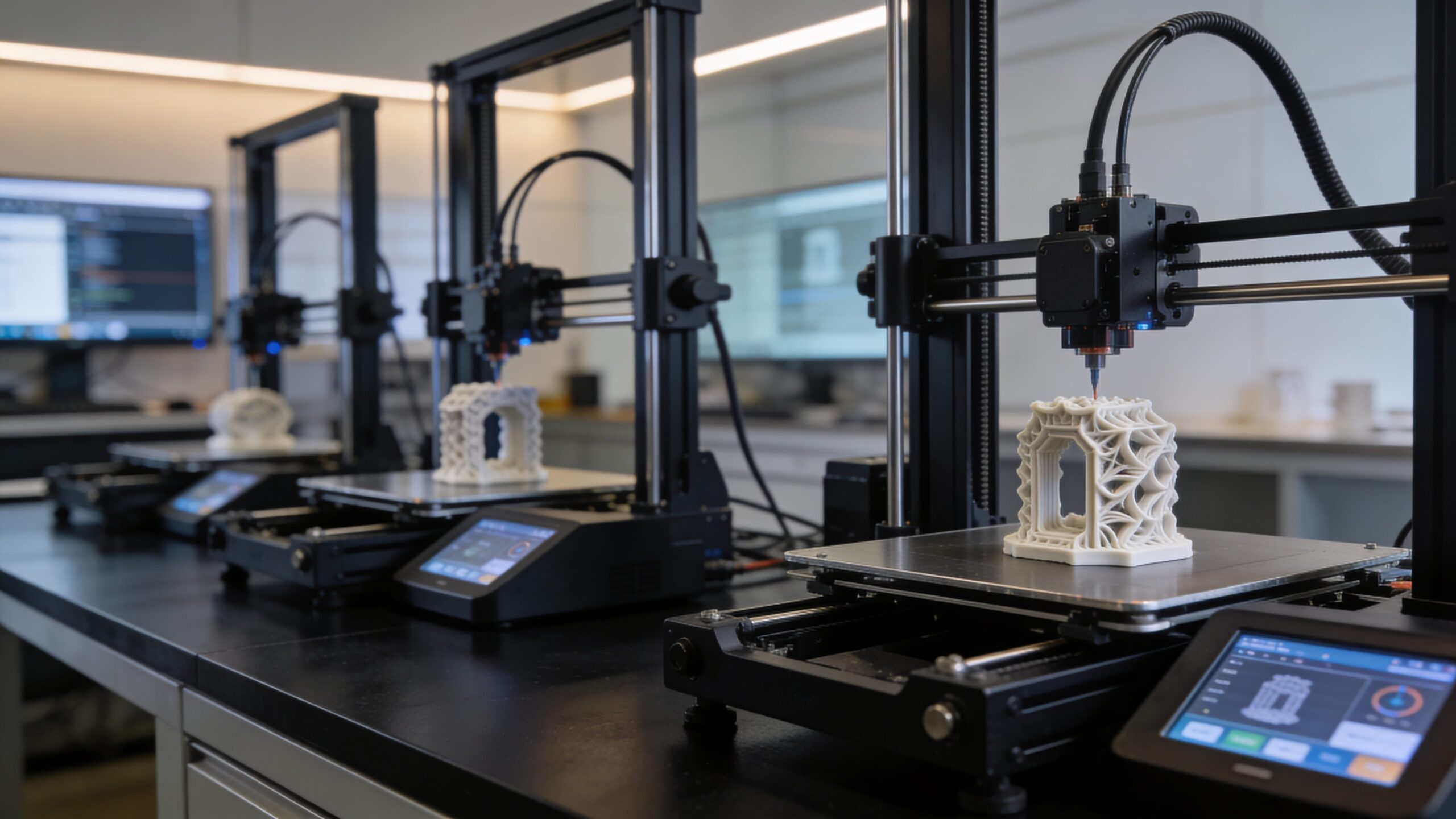
The Rise of 3D Printing as a Business Opportunity
3D printing has evolved from a niche hobby into a powerful manufacturing force reshaping industries worldwide. In 2026, this technology is more accessible, affordable, and versatile than ever before, making it an ideal entry point for entrepreneurs seeking innovative business opportunities. From rapid prototyping to custom consumer products, the demand for 3D printing services continues to surge across sectors such as healthcare, automotive, architecture, and e-commerce. What makes a 3D printing business especially compelling is its flexibility. You can start small, operating from a home workspace, and gradually scale into a full production operation. With minimal inventory requirements and the ability to produce items on demand, this business model offers a modern alternative to traditional manufacturing. For those willing to learn and experiment, it presents a gateway into the future of making.
A: Match the model, material, settings, and finish plan to the purpose of the print.
A: Bed leveling, surface cleanliness, nozzle height, temperature, and material condition are the usual suspects.
A: No. Slower speeds can improve detail, but heat buildup and profile balance still matter.
A: Use the right material, more walls, smart orientation, enough infill, and realistic load testing.
A: Temperature, retraction, travel moves, moisture, and material type all contribute.
A: Diagnose visible layer lines, fragile details, support scars, and oversized assemblies before buying parts.
A: Very important; it shows toolpaths, supports, layer changes, and possible weak spots before printing.
A: First layers, simple calibration prints, support cleanup, and basic material profiles.
A: Clean orientation, tuned settings, good material handling, and careful sanding, filling, priming, painting, sealing, and display mounting.
A: It is most useful for makers building display pieces, props, miniatures, and gifts.
Understanding the 3D Printing Market in 2026
The 3D printing market in 2026 is driven by customization, sustainability, and speed. Consumers increasingly value personalized products, while businesses seek rapid prototyping solutions to reduce development timelines. Additionally, eco-conscious manufacturing practices have positioned 3D printing as a greener alternative, reducing waste and enabling localized production.
As an entrepreneur, understanding where demand is strongest is crucial. Industries such as medical devices, fashion accessories, home décor, and replacement parts are thriving. The key is identifying a niche where your skills, resources, and creativity align with market needs. By focusing on a targeted segment, you can differentiate your business and build a loyal customer base more effectively.
Choosing the Right Niche for Your Business
Success in the 3D printing industry often depends on specialization. Rather than attempting to serve every market, focusing on a specific niche allows you to refine your expertise and stand out in a competitive landscape. Popular niches include custom jewelry, tabletop gaming accessories, architectural models, and functional household items. Choosing the right niche involves balancing passion with profitability. Consider what excites you, but also analyze market demand and competition. A niche with high customization potential and repeat customers can be particularly lucrative. Over time, your specialization can become your brand identity, making it easier to market your services and command premium pricing.
Essential Equipment and Setup
Starting a 3D printing business requires careful selection of equipment. In 2026, printers come in a wide range of capabilities, from entry-level FDM machines to advanced resin and multi-material systems. Your choice should align with your niche, as different applications demand different levels of precision, speed, and material compatibility.
Beyond the printer itself, your setup should include design software, post-processing tools, and a well-organized workspace. Ventilation, lighting, and safety measures are also critical, especially when working with resins or specialty filaments. Investing in reliable equipment from the beginning can save time and reduce costly errors as your business grows.
Materials and Product Quality
The quality of your products depends heavily on the materials you use. Filaments such as PLA, ABS, PETG, and specialty composites each offer unique properties, while resin printing provides unmatched detail for certain applications. Understanding material characteristics allows you to match the right medium to each project. Consistency is key in building a reputable brand. Customers expect durability, precision, and a professional finish. This means mastering print settings, maintaining your equipment, and refining your post-processing techniques. High-quality output not only satisfies customers but also encourages repeat business and positive word-of-mouth.
Designing for Success
Design is at the heart of any successful 3D printing business. Whether you create your own models or work with client-provided designs, understanding design principles is essential. Software tools have become more intuitive, enabling entrepreneurs to bring ideas to life with greater ease.
A strong design capability allows you to innovate and offer unique products that competitors cannot easily replicate. It also opens opportunities for collaboration with designers, engineers, and creators. By continuously improving your design skills, you position your business as a creative and technical authority in your niche.
Pricing Your Products and Services
Pricing in a 3D printing business requires a strategic approach. Factors such as material costs, machine time, labor, and overhead must all be considered. Additionally, the perceived value of your product plays a significant role in determining what customers are willing to pay. Rather than competing solely on price, focus on value. Customization, quality, and fast turnaround times can justify higher pricing. Offering tiered pricing or premium options can also increase revenue. As your reputation grows, you can gradually adjust your pricing to reflect the expertise and reliability you provide.
Building Your Brand and Online Presence
In 2026, a strong online presence is essential for any business. Your brand should communicate professionalism, creativity, and trustworthiness. A well-designed website, active social media profiles, and high-quality product images can significantly enhance your visibility.
Storytelling plays a powerful role in branding. Share your journey, showcase your process, and highlight the uniqueness of your products. Platforms that support digital storefronts and custom orders are particularly valuable for 3D printing businesses. By building a recognizable brand, you create a lasting connection with your audience.
Marketing Strategies That Work
Marketing a 3D printing business involves a mix of digital and community-based strategies. Search engine optimization helps potential customers find your services, while social media allows you to showcase your creations visually. Video content, in particular, can demonstrate the printing process and captivate audiences. Collaborations and partnerships can also drive growth. Working with local businesses, creators, or influencers expands your reach and introduces your brand to new audiences. By consistently promoting your work and engaging with your community, you can build momentum and attract a steady stream of customers.
Managing Orders and Workflow
Efficiency is critical as your business grows. Managing orders, tracking production, and ensuring timely delivery require a well-structured workflow. Automation tools and project management systems can help streamline operations and reduce errors.
Clear communication with customers is equally important. Providing updates, setting realistic expectations, and delivering on promises builds trust and enhances customer satisfaction. A smooth workflow not only improves productivity but also creates a positive experience that encourages repeat business.
Scaling Your 3D Printing Business
Once your business gains traction, scaling becomes the next challenge. This may involve investing in additional printers, hiring staff, or expanding your product line. Scaling should be approached strategically, ensuring that growth does not compromise quality or customer experience. Diversification can also play a role in scaling. Offering new services, entering different markets, or developing proprietary products can increase revenue streams. By reinvesting in your business and adapting to market trends, you can sustain long-term growth and remain competitive.
Challenges and How to Overcome Them
Like any business, 3D printing comes with its challenges. Technical issues, material limitations, and competition can pose obstacles. However, these challenges also present opportunities for learning and improvement.
Staying informed about industry developments and continuously refining your processes can help you overcome these hurdles. Building a network of peers and experts can also provide valuable insights and support. With persistence and adaptability, challenges can become stepping stones to success.
The Future of 3D Printing Entrepreneurship
The future of 3D printing is filled with possibilities. Advances in materials, automation, and artificial intelligence are set to expand the capabilities of this technology even further. Entrepreneurs who embrace innovation and remain flexible will be well-positioned to capitalize on these advancements. As industries continue to adopt 3D printing, new opportunities will emerge. From personalized healthcare solutions to sustainable manufacturing practices, the potential applications are vast. By starting your journey in 2026, you place yourself at the forefront of a transformative era in business and technology.
Research-Backed Context
A 3D printing business or supply-chain article is strongest when it treats printing as an operation. Demand, quoting, machine time, failed builds, finishing labor, packaging, customer communication, and repeat orders decide whether the idea works.
Practical Decision Checks
- Start with a niche where customers already need replacement parts, prototypes, props, tools, fixtures, or customized objects.
- Price jobs with material, machine time, design time, failures, finishing, packaging, platform fees, and support included.
- Use a small catalog of repeatable products before accepting every custom request.
- Track failure rates and turnaround time so pricing reflects real production effort.
FAQ
Can a small 3D printing business make money?
Yes, but profit usually comes from repeatable niches, clear pricing, reliable fulfillment, and customers who value customization or speed.
What should beginners avoid selling first?
Avoid complex safety-critical parts, copyrighted models, and one-off jobs that require unpaid design time or uncertain print settings.
What makes supply-chain printing useful?
It helps when local production, spare parts, tooling, or bridge manufacturing reduces delay, inventory pressure, or downtime.
Sources and Further Reading
These references support the technical terms, material guidance, process limits, and decision criteria used in this article.