From Rapid Prototypes to Manufacturing Systems
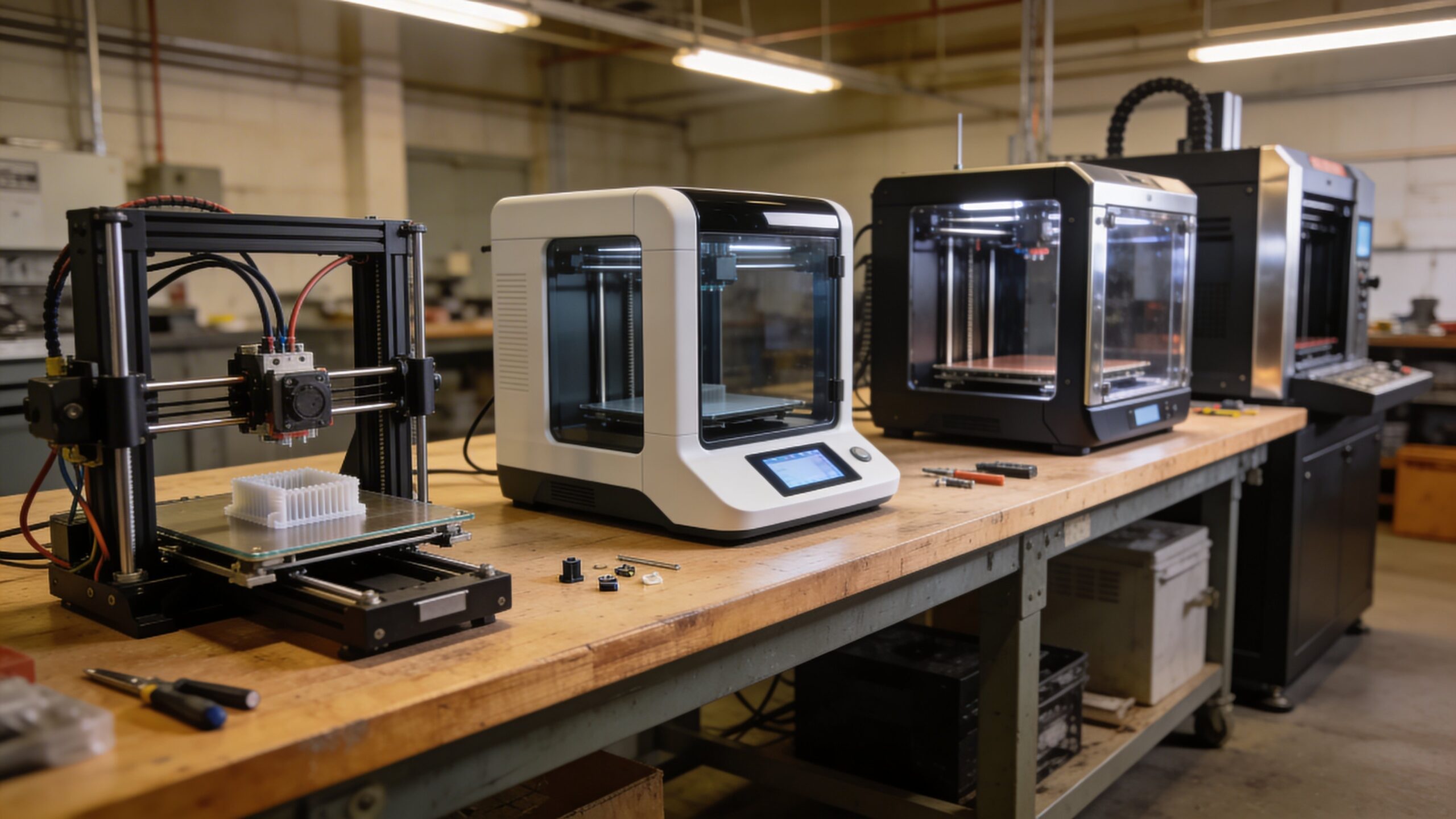
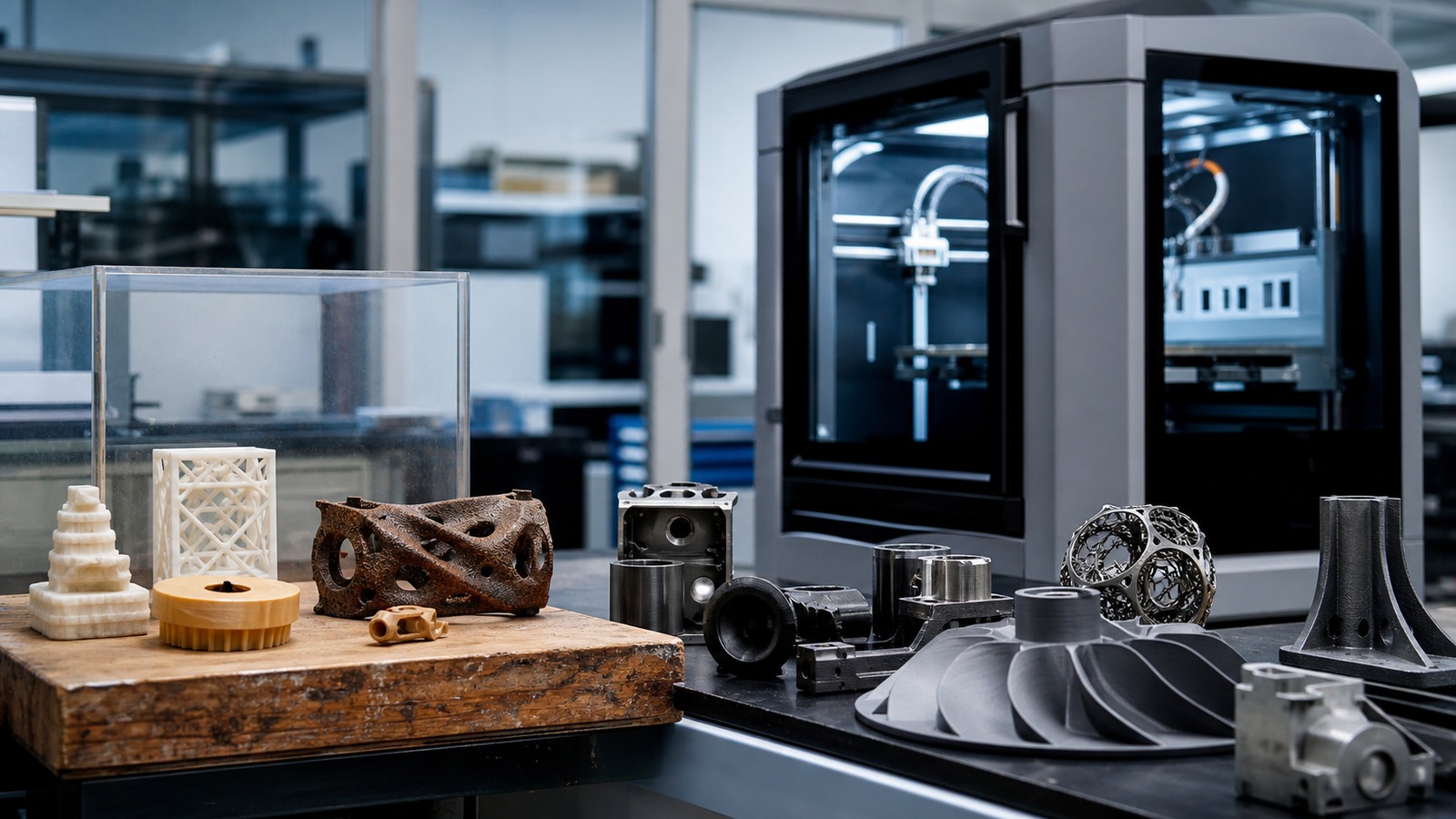
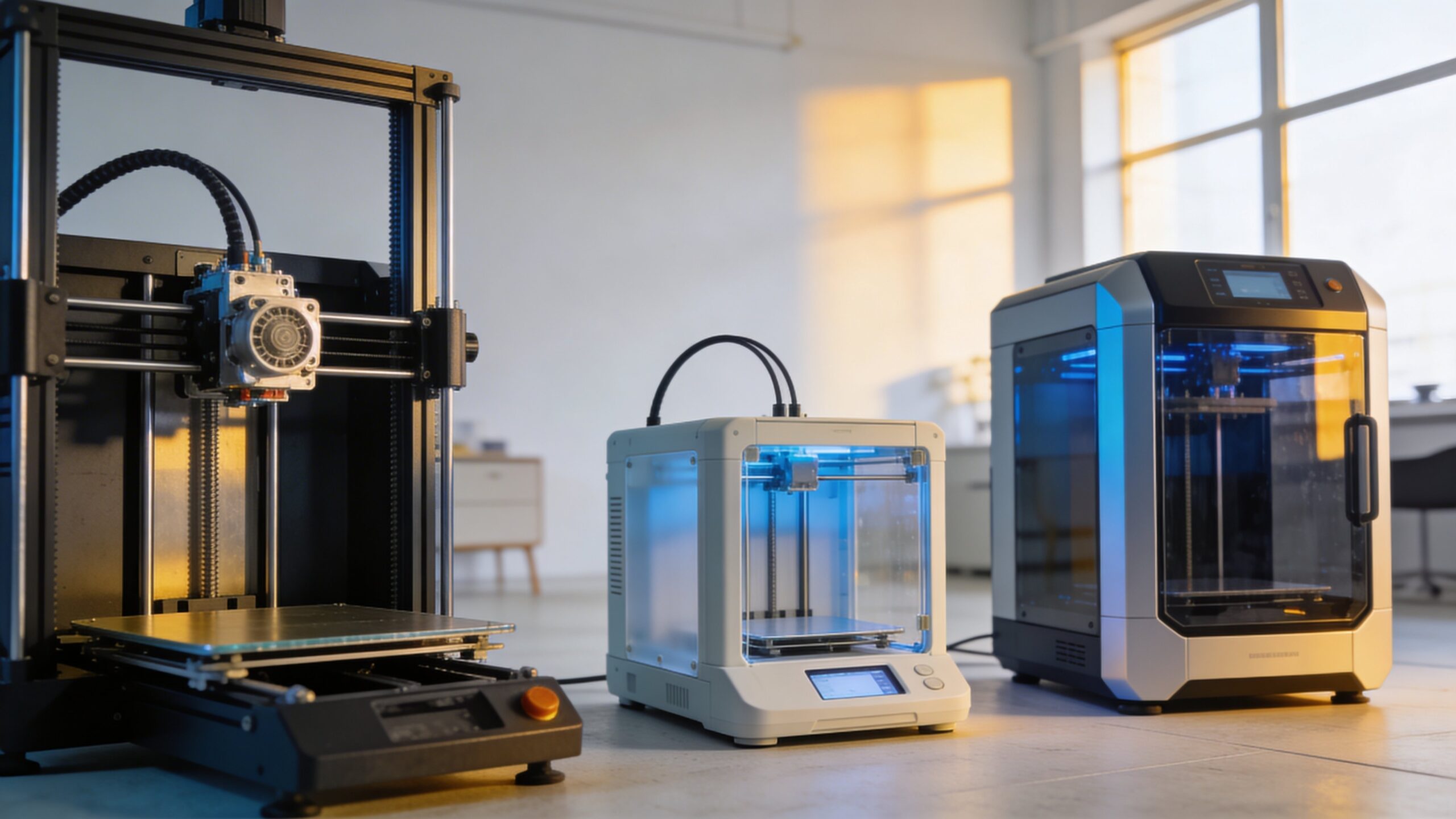
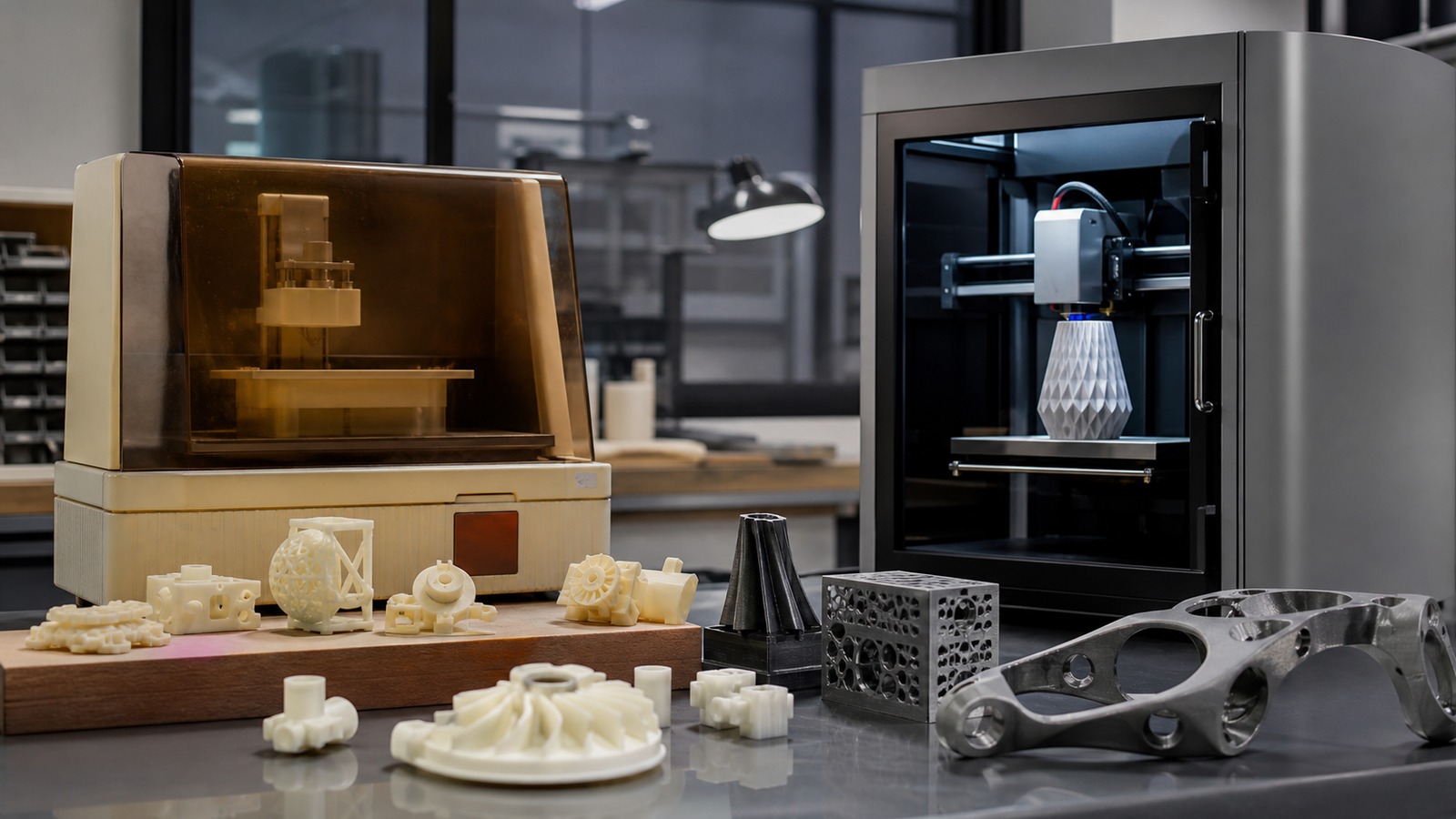
The evolution of 3D printing technology is a shift from fragile prototypes to practical manufacturing systems. In the 1980s, the breakthrough was building physical objects from digital cross-sections. Today, additive manufacturing includes desktop FDM printers, resin systems, polymer powder beds, metal printers, binder jetting, and hybrid workflows.
A: Match the model, material, settings, and finish plan to the purpose of the print.
A: Bed leveling, surface cleanliness, nozzle height, temperature, and material condition are the usual suspects.
A: No. Slower speeds can improve detail, but heat buildup and profile balance still matter.
A: Use the right material, more walls, smart orientation, enough infill, and realistic load testing.
A: Temperature, retraction, travel moves, moisture, and material type all contribute.
A: Diagnose poor first layers, weak parts, stringing, warping, and rough surfaces before buying parts.
A: Very important; it shows toolpaths, supports, layer changes, and possible weak spots before printing.
A: First layers, simple calibration prints, support cleanup, and basic material profiles.
A: Clean orientation, tuned settings, good material handling, and careful support removal, sanding, painting, fitting, and practical testing.
A: It is most useful for makers who want cleaner prints and fewer wasted attempts.
From Rapid Prototypes to Manufacturing Systems
The evolution of 3D printing technology is a shift from fragile prototypes to practical manufacturing systems. In the 1980s, the breakthrough was building physical objects from digital cross-sections. Today, additive manufacturing includes desktop FDM printers, resin systems, polymer powder beds, metal printers, binder jetting, and hybrid workflows.
The technology improved because hardware, materials, software, and standards all advanced together. Better motion systems alone would not be enough without better slicers. Better materials would not matter without process control. Better geometry would not reach industry without measurement and certification work.
1980s: The First Commercial Era
Stereolithography defined the first major commercial era. Charles Hull’s patent described creating three-dimensional objects from successive layers, and 3D Systems commercialized the SLA-1 soon after. These systems gave engineers a faster route from CAD to physical prototype.
The early value was speed and visualization. Product teams could review shapes, test fit, and communicate ideas before investing in tooling. The parts were not always final-use components, but they changed how companies thought about design iteration.
1990s: New Materials and New Processes
The 1990s expanded additive manufacturing beyond one resin process. Fused deposition modeling used extruded thermoplastic filament. Selective laser sintering fused powder. Binder jetting and material jetting added other ways to build layers. Each process created new strengths and limitations.
This variety still defines modern additive manufacturing. Material extrusion is accessible and inexpensive. Vat photopolymerization gives fine detail. Powder bed fusion can make complex nylon or metal parts. Directed energy deposition supports repair and large metal features. The process category matters as much as the word 3D printing.
2000s: Open Hardware and Maker Culture
The 2000s brought open hardware, hobbyist experimentation, and lower-cost desktop printers. RepRap-style thinking made printers more understandable and modifiable. Users shared designs, firmware improvements, slicer settings, and printable upgrades.
This era was messy but important. Bed leveling, jams, warped parts, and calibration problems were common, yet the community learned quickly. Many of today’s printer expectations came from that period: repairability, open materials, shared profiles, and online troubleshooting.
2010s: Speed, Access, and Professional Adoption
During the 2010s, desktop 3D printing became familiar in schools, libraries, homes, and small businesses. Printers became cheaper, slicers improved, and online file libraries grew. At the same time, professional additive manufacturing matured in dental, medical, aerospace, automotive, and tooling applications.
The story split into two paths. Consumer printers made fabrication more accessible. Industrial systems focused on repeatability, materials, qualification, and production economics. Both paths influenced each other, but they solved different problems.
2020s: Automation and Process Control
Modern printers are faster and easier to run because of automatic bed probing, input shaping, pressure advance, lidar or camera checks, network workflows, better hotends, and more refined slicer profiles. These features do not eliminate skill, but they reduce the number of manual steps between a model and a finished part.
Industrial systems are also becoming more data-driven. Monitoring, material traceability, post-processing, simulation, and standards help additive manufacturing move into serious production roles. The question has changed from whether a printer can make the shape to whether the process can make it repeatedly.
Where Innovation Is Heading
Future progress will likely focus on qualified materials, lower failure rates, smarter software, larger build formats, automated post-processing, and more economical production. The most useful innovations will make printing more predictable, not just more dramatic.
3D printing has evolved from a rapid prototyping method into a family of manufacturing processes. Its future is not replacing every traditional process. Its future is being chosen intelligently when geometry, customization, lead time, or supply constraints make additive manufacturing the better tool.
FAQ
How has 3D printing changed since the 1980s?
It has expanded from expensive rapid prototyping systems into desktop printers, industrial polymer systems, metal additive manufacturing, tooling workflows, and selected production uses.
What made desktop 3D printing popular?
Lower-cost machines, open-source projects, expiring patents, better slicers, and online model sharing helped desktop FDM printing grow.
What is the next major step for 3D printing?
The next major step is broader reliability: better materials, standards, monitoring, post-processing, and repeatable production workflows.