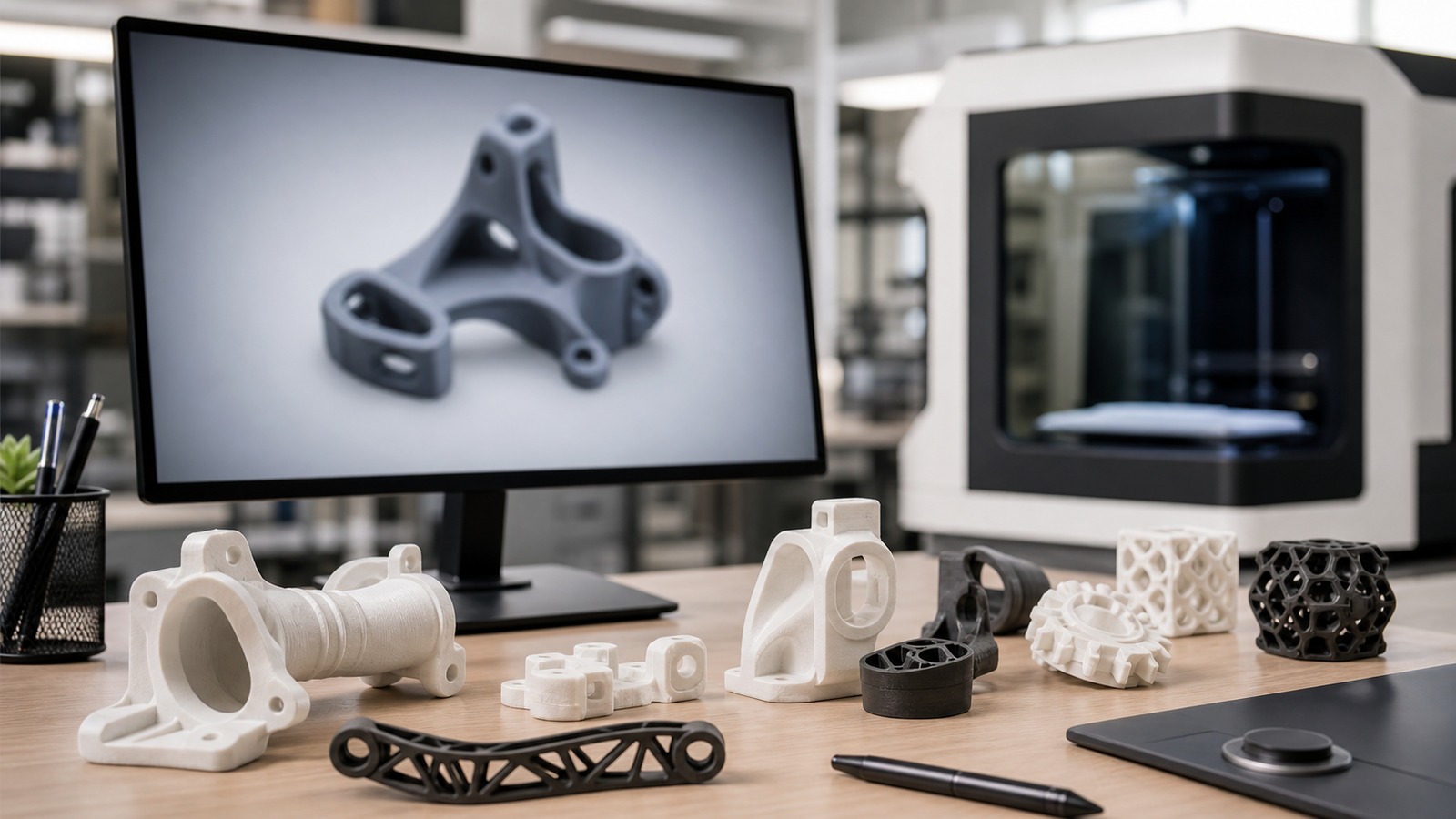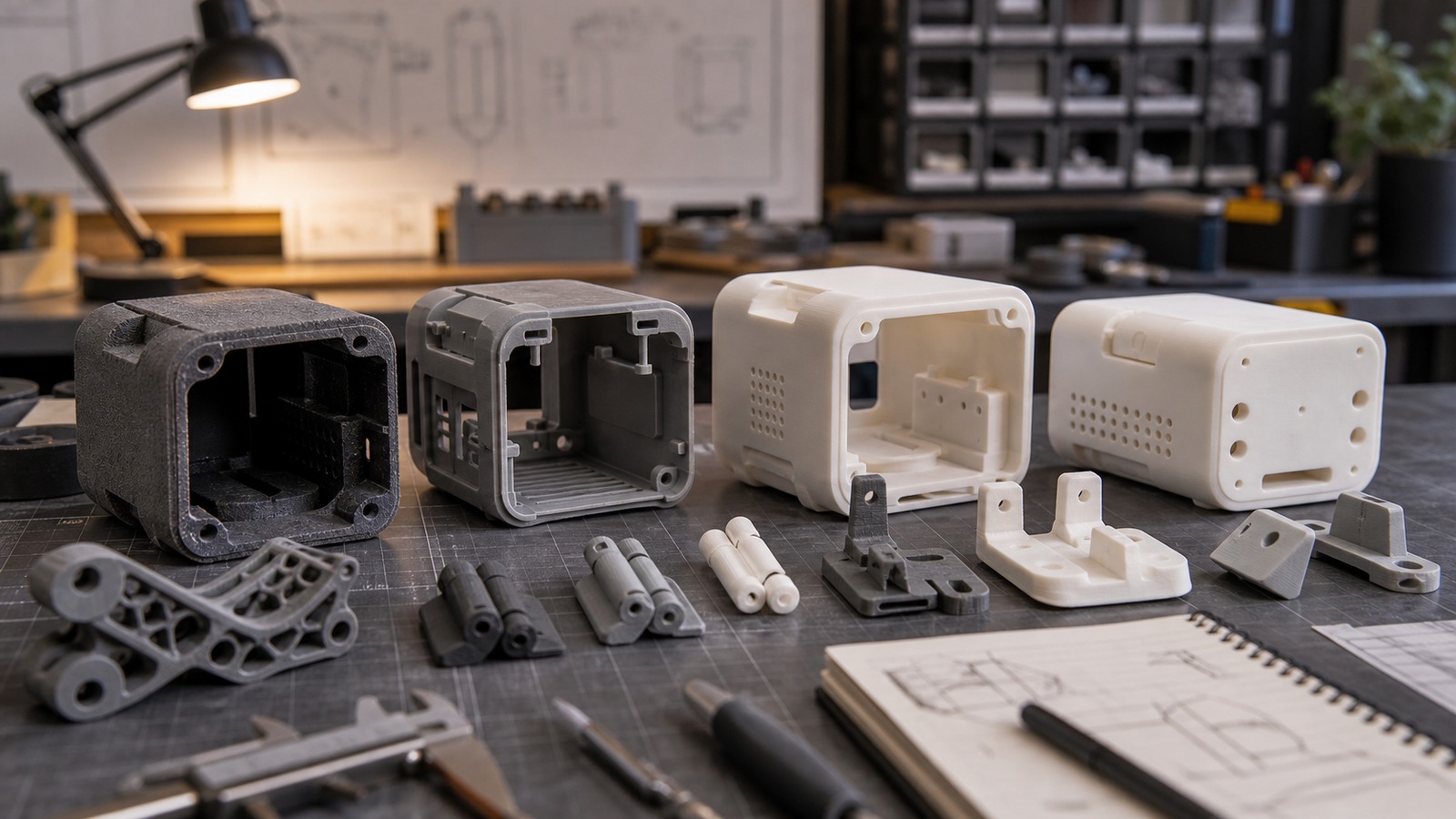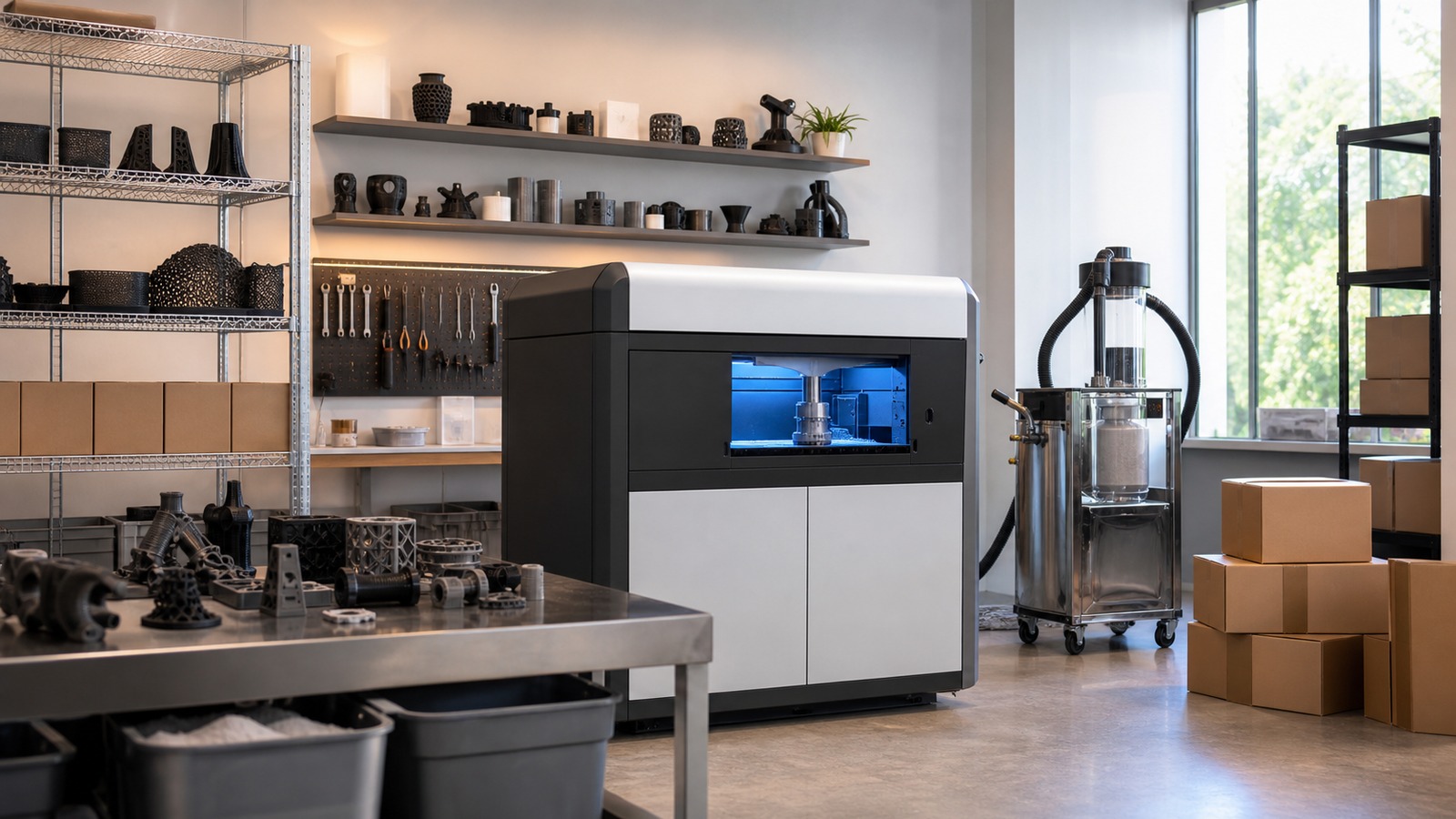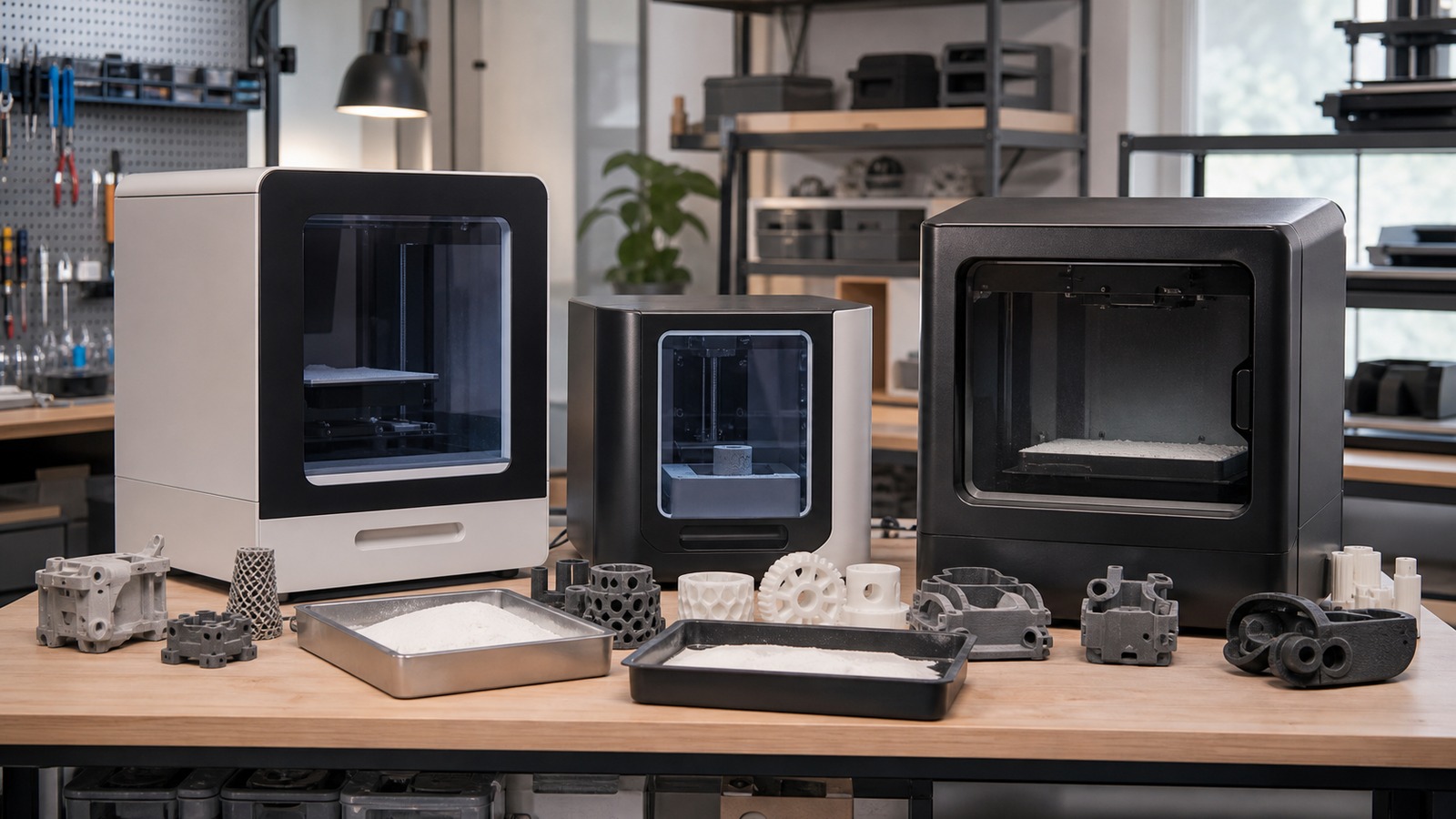
Affordable SLS Means Affordable Workflow
Affordable SLS is not the same as cheap desktop FDM. A business has to pay for powder, print chambers, cleaning, blasting, training, service, and space. The right question is whether the system lowers the cost per useful nylon part compared with outsourcing.
A: Match the model, material, settings, and finish plan to the purpose of the print.
A: Bed leveling, surface cleanliness, nozzle height, temperature, and material condition are the usual suspects.
A: No. Slower speeds can improve detail, but heat buildup and profile balance still matter.
A: Use the right material, more walls, smart orientation, enough infill, and realistic load testing.
A: Temperature, retraction, travel moves, moisture, and material type all contribute.
A: Diagnose poor first layers, weak parts, stringing, warping, and rough surfaces before buying parts.
A: Very important; it shows toolpaths, supports, layer changes, and possible weak spots before printing.
A: First layers, simple calibration prints, support cleanup, and basic material profiles.
A: Clean orientation, tuned settings, good material handling, and careful support removal, sanding, painting, fitting, and practical testing.
A: It is most useful for makers who want cleaner prints and fewer wasted attempts.
Affordable SLS Means Affordable Workflow
Affordable SLS is not the same as cheap desktop FDM. A business has to pay for powder, print chambers, cleaning, blasting, training, service, and space. The right question is whether the system lowers the cost per useful nylon part compared with outsourcing.
In 2026, the practical affordable category is compact professional SLS: machines that bring powder bed fusion into a workshop without the size and cost of a large industrial cell. Buyers still need a serious production plan.
Formlabs Fuse 1+ 30W
The Formlabs Fuse 1+ 30W is one of the clearest small-business SLS choices. Formlabs lists it as a compact industrial SLS printer, with the Fuse Series technical page showing a 165 x 165 x 300 mm build volume for the Fuse 1+ 30W and Fuse 1 generation systems.
Its advantage is ecosystem depth: printer, powder, software, post-processing, support, and materials are packaged for teams that want repeatable in-house nylon parts. It makes the most sense when the shop can run builds regularly.
Sinterit Lisa Series
Sinterit is another important compact SLS path for labs, small businesses, and material-focused users. The appeal is access to powder bed fusion in a smaller footprint, with options for users who want to experiment with different material behaviors.
Before buying, compare actual sample parts, local support, build volume, powder refresh requirements, and finishing time. A machine that fits the budget but not the workload can still be expensive.
When a Service Bureau Is More Affordable
For occasional jobs, outsourcing is often the most affordable SLS option. A service bureau already owns the powder workflow, finishing equipment, and operator expertise. This lets a business test demand before buying hardware.
In-house SLS becomes more attractive when lead time, confidentiality, repeated batches, or margin justify the equipment. If orders are sporadic, outsourcing keeps the business flexible.
Buying Checklist
Compare build volume, materials, part cost, powder refresh rate, cooldown, finishing labor, available service plans, and operator time. Also check whether the machine supports the material customers actually need, such as PA12, PA11, filled nylon, or TPU-like flexible powder.
Run the same part through at least two options before buying. Measure fit, surface, cleanup time, cost, and delivery. The best affordable SLS printer is the one that makes reliable parts profitably.
FAQ
What is the most affordable way to start with SLS?
For low volume, a service bureau is usually the most affordable start. Buy a machine only when recurring work supports the full workflow.
Which SLS printer is best for small businesses?
Formlabs Fuse 1+ 30W and Sinterit systems are common compact professional options, but the best choice depends on materials, support, and part volume.
Is SLS cheaper than FDM?
Usually no for simple parts. SLS becomes competitive when nylon performance, complex geometry, support-free printing, or batch production matter.